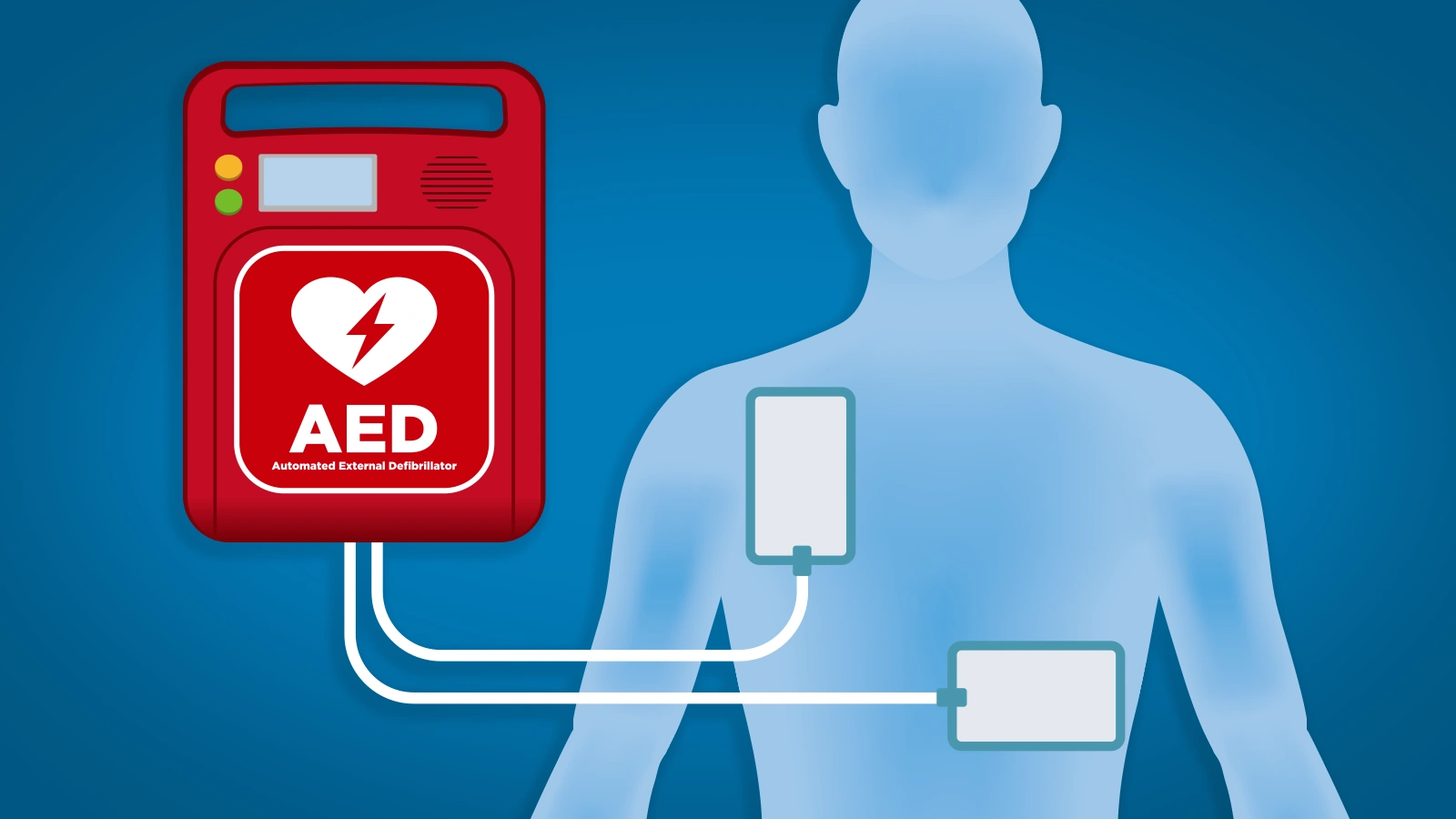
AED: The Critical Bridge in Cardiac Survival – Sudden cardiac death often strikes without warning. In emergency situations such as Sudden Cardiac Arrest (SCA), every second is a battle against time. This is where the Automated External Defibrillator (AED) plays a pivotal role. This portable medical device is engineered to be the first line of defense in saving lives before professional medical help arrives on the scene.
Currently, AEDs are becoming increasingly common in public spaces, ranging from airports and shopping malls to high-rise office buildings. However, public understanding of when and how these devices function must be improved to ensure their life-saving potential is fully realized.
Understanding Sudden Cardiac Arrest
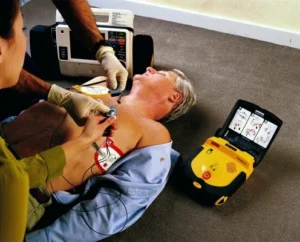
Sudden cardiac arrest occurs when the heart’s electrical system malfunctions. This causes the heart to beat irregularly and dangerously fast (ventricular fibrillation), leading to a total failure in pumping blood to the rest of the body. Without blood flow, the brain and other vital organs are deprived of oxygen within seconds.
Permanent brain damage can occur in just a matter of minutes if the heart rhythm is not immediately restored to normal. While Cardiopulmonary Resuscitation (CPR) is vital for maintaining temporary blood flow, it is often only a shock from a defibrillator that can “reset” the heart’s rhythm back to stability. The synergy between CPR and the use of an AED has been clinically proven to drastically increase a patient’s chances of survival.
Do You Need an AED at Home?
While AEDs are widely available in public, a common question arises: Is it necessary to have one at home? The answer depends largely on the health profile of the household members.
For individuals with a history of severe coronary artery disease, chronic heart rhythm disorders, or those who have previously suffered a heart attack, having an AED at home can be a wise safety investment. Modern versions for home use are lightweight, easy to operate, and available in many regions without a prescription. However, it is highly recommended to consult with a cardiologist before making a personal purchase.
Advanced, User-Friendly Technology
One of the primary advantages of modern AEDs is their ease of operation. Even if you are not a trained medical professional, you can still use this device effectively during an emergency.
In general, here is how an AED functions:
-
Automated Voice Instructions: Once activated, the AED provides step-by-step voice prompts. It will guide you on when to attach the electrode pads and when to stay clear of the patient.
-
Autonomous Analysis: These devices are highly intelligent. The AED automatically analyzes the patient’s heart rhythm. If the machine detects that a shock is not needed, it will not deliver one, making it incredibly safe to use without the risk of accidental harm.
-
Portable Design: With a compact build, the device is easy to carry and store, making it the new gold standard in modern emergency safety equipment.
Why Training Still Matters
Although AEDs are designed for anyone to use, undergoing Basic Life Support (BLS) training is highly recommended. Such training helps an individual remain calm under pressure and understand the proper coordination between performing chest compressions (CPR) and operating the AED machine. The courage to act and the speed of response are the ultimate keys to the cardiovascular chain of survival.
Healthcare technology like the AED has brought emergency room capabilities into the public domain. This device is more than just an electronic tool; it is the bridge between life and death for someone experiencing cardiac arrest. Understanding how an AED works and knowing its location in our surroundings is a small step that can have a massive impact on human life.
Sight Pakistan Insights: As a global provider of medical technology insights, we view the increasing adoption of AEDs in public facilities as a progressive step in public health. Ensure your medical devices are always “rescue-ready” by performing regular battery and electrode pad checks.