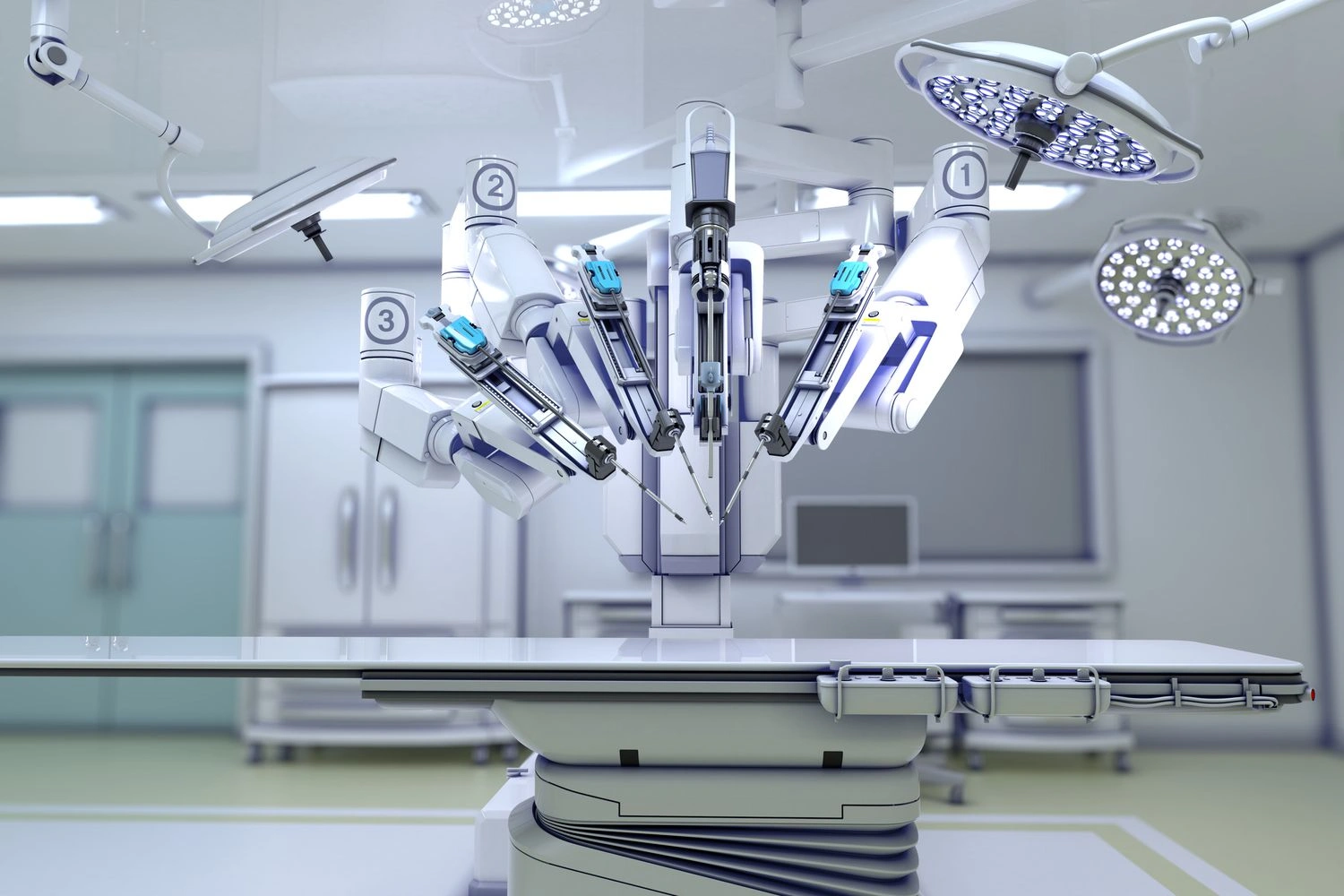
Robotic Surgery: Precision Beyond Human Hands – Medical technology is advancing at an incredible pace, pushing surgical precision to levels that were unimaginable just a few decades ago. One of the most significant leaps now becoming a standard in modern hospitals is robotic surgery. While the term “robotic” might spark images of autonomous machines, the reality in the operating room is far more collaborative and fascinating.
What is Robotic Surgery, Exactly?
At its core, robotic surgery is a method where your surgeon utilizes a specialized robotic device to perform a procedure. This system typically consists of mechanical arms equipped with micro-surgical instruments designed for extreme maneuverability.
It is crucial to emphasize one point: the robot does not replace the surgeon. These machines do not make independent decisions or perform incisions on their own. Instead, the surgeon remains in total control throughout the process. Sitting at a high-tech console featuring a high-definition 3D display, the surgeon moves the robotic arms using sensitive controllers. Every hand movement is translated in real-time into precise, scaled-down motions of the instruments inside the patient’s body.
Why Precision is the Game Changer
In traditional surgery or even standard laparoscopy, a surgeon’s range of motion can sometimes be limited by human anatomy or natural, involuntary hand tremors. This is where robotic-assisted technology shines.
-
Tremor Filtration: The robotic system is designed to filter out microscopic hand tremors, ensuring that instrument movements are incredibly steady and smooth.
-
Enhanced Range of Motion: Robotic arms possess “wristed” flexibility that exceeds the capabilities of the human hand. This allows instruments to rotate and reach tight corners within the body with pinpoint accuracy.
-
Superior 3D Visualization: The surgeon’s display provides a highly detailed, magnified 3D view. This allows for the clear identification of tiny nerves and blood vessels, significantly reducing the risk of accidental damage to surrounding tissues.
Tangible Benefits for the Patient
For patients recommended for this procedure, the primary advantages are often felt during the recovery phase. Because the instruments are so delicate and precise, the incisions required are much smaller than those in traditional open surgery—a hallmark of minimally invasive surgery.
This leads to a positive domino effect for patient health:
-
Reduced Pain: Smaller incisions mean less trauma to the body’s tissues, significantly lowering post-operative discomfort.
-
Lower Risk of Infection: Smaller wounds close faster and are less susceptible to external complications.
-
Faster Recovery Times: Patients typically require shorter hospital stays and can return to their daily routines much sooner than with conventional methods.
-
Minimal Blood Loss: The precision of the robot helps surgeons control blood vessels more effectively, reducing the need for blood transfusions.
Safety and the Surgeon’s Expertise
Understanding that this technology is an “advanced tool” in the hands of an expert is vital. Robotic surgery is an extension of a surgeon’s skill, experience, and clinical judgment. Before ever touching a robotic console, surgeons undergo rigorous specialized training and certification to ensure they can navigate the system with absolute safety.
From Pakistan to the global stage, the adoption of robotics in urology, gynecology, and even cardiac surgery is rising rapidly. It proves that the integration of human intuition and mechanical precision is the current reality of modern healthcare.
Robotic surgery is no longer just a futuristic trend; it is a practical solution for improving clinical outcomes. By offering unmatched precision, enhanced visualization, and an efficient recovery process, this method helps healthcare providers deliver safer and more effective care. If you or a loved one are considering a surgical procedure, discussing the option of robotic-assisted surgery with your medical team could be a smart step toward optimal healing.