
Good Medical Equipment, Poor Patient Care? The Real Problem in Modern Healthcare
Good Medical Equipment, Poor Patient Care? The Real Problem in Modern Healthcare | Hospitals today can use advanced imaging systems, robotic surgical equipment, artificial intelligence, sophisticated laboratory technology, and powerful monitoring devices that would have seemed impossible just a few decades ago.

Yet having better technology does not automatically mean patients receive better care.
A hospital can have impressive equipment while patients still experience long waiting times, poor communication, confusing procedures, limited attention from staff, or a lack of empathy.
This raises an important question:
Can a healthcare system have excellent medical equipment but still provide poor patient care?
The answer is yes.
Technology is only one part of healthcare. The quality of patient care also depends on people, communication, organization, accessibility, staffing, and the way the entire system operates.
1. Medical Technology Is Not the Same as Good Healthcare
Advanced equipment can improve diagnosis and treatment.
MRI machines can provide detailed images. Modern surgical equipment can make certain procedures more precise. Digital health records can make information easier to access.
But equipment cannot replace the human side of medicine.
A patient doesn’t only need a diagnosis.
They may also need someone to explain what is happening, answer questions, provide emotional support, and make them feel respected.
A technologically advanced hospital can therefore still deliver a disappointing experience if the human side of healthcare is neglected.
2. Communication Is One of the Biggest Problems
Patients often remember how healthcare professionals communicated with them.
Medical terminology can be confusing, particularly when someone is frightened or dealing with a serious illness.
A doctor may understand a diagnosis perfectly, but that doesn’t necessarily mean the patient understands it.
Good communication requires more than giving information.
Healthcare professionals need to explain conditions clearly, listen carefully, check whether the patient understands, and provide opportunities to ask questions.
When communication fails, even technically excellent treatment can feel inadequate.
3. Patients Are People, Not Numbers
Large healthcare systems can sometimes become highly focused on efficiency.
Patients may move through registration desks, waiting rooms, examination rooms, laboratories, pharmacies, and billing departments.
Each step may be designed to optimize a particular process.
But from the patient’s perspective, the entire experience is one continuous journey.
If every department focuses only on its own task, patients can feel as though they are being processed rather than cared for.
A patient is not simply a medical record or a queue number.
They are a person experiencing uncertainty, discomfort, fear, and sometimes pain.
4. Overworked Healthcare Workers Affect Patient Care
Healthcare professionals often work under enormous pressure.
Doctors, nurses, technicians, and support staff may have to care for many patients while dealing with administrative responsibilities, staffing shortages, emergencies, and long working hours.
Even highly dedicated professionals can become exhausted.
Fatigue can affect communication, attention, patience, and the overall patient experience.
This means improving patient care isn’t simply about telling healthcare workers to “care more.”
Healthcare organizations also need to examine workloads, staffing, workplace conditions, and administrative burdens.
5. Waiting Time Can Change the Entire Experience
A patient may tolerate a long wait when they understand why it is happening.
The problem becomes worse when there is no communication.
Imagine arriving at a hospital for an appointment and waiting for hours without knowing what is happening.
Even if the eventual treatment is excellent, the experience can leave the patient feeling ignored.
Reducing unnecessary waiting is valuable, but communication is equally important.
Patients deserve to know when delays occur and what they can reasonably expect.
6. Expensive Equipment Does Not Solve Access Problems
A healthcare system may have advanced technology but still struggle with accessibility.
A sophisticated hospital is of limited value to someone who cannot afford treatment, lives far away, cannot take time off work, or cannot navigate the healthcare system.
Healthcare quality therefore includes more than technological capability.
It also involves whether people can actually reach and use the services they need.
A medical breakthrough means little to a patient who cannot access it.
7. Digital Healthcare Creates New Challenges
Digital technology has made healthcare more convenient in many ways.
Electronic medical records, online appointments, telemedicine, health apps, and automated systems can reduce administrative work and improve access.
But technology can also create new barriers.
Older patients or people with limited digital skills may struggle with online systems.
Patients may become frustrated when they cannot reach a real person.
Automated messages can also feel impersonal when someone is dealing with a serious medical problem.
Technology should make healthcare easier, not create another obstacle between patients and care.
8. More Data Doesn’t Always Mean Better Care
Modern medicine produces enormous amounts of information.
Doctors can access laboratory results, imaging, medical histories, wearable-device data, and other digital information.
But information only becomes useful when it is interpreted correctly and communicated effectively.
Too much data can sometimes make healthcare more complicated.
The challenge isn’t simply collecting more information.
It is identifying what matters and using it to make better decisions for individual patients.
9. Empathy Cannot Be Automated
Artificial intelligence may assist with diagnosis, administrative tasks, documentation, and other healthcare functions.
But empathy remains fundamentally human.
A machine can identify patterns in medical data.
It cannot fully replace the experience of sitting with a frightened patient and understanding what that person is going through.
The future of healthcare will likely involve more technology, not less.
But technology should ideally support human relationships rather than eliminate them.
10. Continuity of Care Matters
Another major issue is fragmentation.
Patients may see different doctors, visit different departments, use different hospitals, and interact with different healthcare providers.
If information isn’t communicated effectively between them, patients may have to repeatedly explain their history.
This can create frustration and increase the risk of misunderstandings.
Continuity of care helps patients feel that someone understands the bigger picture rather than treating each appointment as an isolated event.
11. Hospitals Need to Measure More Than Medical Outcomes
Healthcare organizations naturally measure things such as treatment outcomes, infection rates, readmissions, and mortality.
These measures are extremely important.
But patient experience also matters.
Healthcare providers can learn from questions such as:
- Did patients understand their treatment?
- Were they treated respectfully?
- Could they easily access information?
- Did staff listen to their concerns?
- Were delays communicated clearly?
- Did patients know what to do after leaving the hospital?
A healthcare system should aim for both clinical quality and a positive patient experience.
12. The Best Technology Is Technology That Helps People
The purpose of medical technology should ultimately be to improve human care.
A new machine is valuable when it helps doctors diagnose conditions more accurately.
A digital system is valuable when it makes information easier to access.
An AI tool is valuable when it helps professionals spend more time with patients.
Technology should solve problems rather than simply make a hospital appear more modern.
The question shouldn’t be:
“How advanced is our equipment?”
It should be:
“How much does this technology improve the patient’s experience and outcome?”
13. Small Changes Can Make a Big Difference
Improving patient care doesn’t always require billions of dollars in investment.
Sometimes relatively simple changes can have a meaningful effect.
Clearer signs can help patients navigate hospitals.
Better appointment communication can reduce confusion.
Training staff in communication can improve interactions.
Simplifying paperwork can reduce frustration.
Providing regular updates during delays can make waiting less stressful.
These changes may not look as impressive as a new medical machine, but they can have a direct impact on how patients experience healthcare.
14. Healthcare Needs Both Science and Humanity
Medicine is fundamentally scientific.
Doctors need evidence, technology, research, diagnostics, medications, and carefully developed procedures.
But healthcare is also deeply human.
Patients have fears, families, responsibilities, financial concerns, cultural backgrounds, and emotional needs.
A truly effective healthcare system has to recognize both sides.
Science helps determine what should be done.
Human-centered care helps determine how that treatment is delivered.
15. What Modern Healthcare Should Aim For
The ideal healthcare system isn’t one that simply has the newest equipment.
It should combine several elements:
- Reliable medical technology
- Skilled healthcare professionals
- Clear communication
- Reasonable access
- Adequate staffing
- Respect for patients
- Efficient processes
- Continuity of care
- Strong safety standards
- Human compassion
None of these elements works perfectly on its own.
A hospital with advanced technology but poor communication is incomplete.
A compassionate healthcare team without adequate medical resources is also limited.
The goal is to bring both sides together.
Modern healthcare has become extraordinarily advanced, but technological progress alone cannot guarantee good patient care.
A hospital can have sophisticated machines, digital systems, and highly advanced treatments while patients still feel confused, ignored, or disconnected.
The real challenge is creating a system in which technology supports people rather than replacing the human connection at the center of healthcare.
Patients need accurate diagnoses and effective treatments.
But they also need to be heard, respected, informed, and treated with dignity.
The future of healthcare shouldn’t simply be about building smarter hospitals.
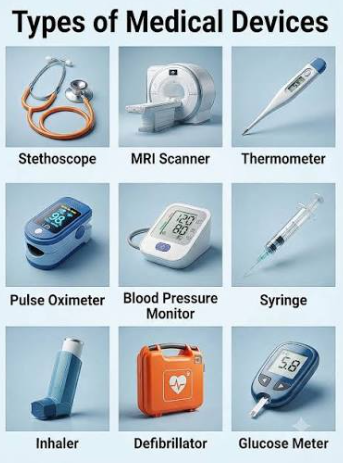
10 Medical Devices That Are Transforming Modern Healthcare
10 Medical Devices That Are Transforming Modern Healthcare | Technology is changing the way healthcare professionals diagnose, monitor, and treat patients. From wearable monitors to advanced surgical systems, modern medical devices are helping doctors make faster decisions while giving patients new ways to manage their health.

As medical technology continues to advance, these devices are becoming increasingly important across hospitals, clinics, laboratories, and home healthcare environments.
Here are 10 medical devices transforming modern healthcare.
1. Wearable Health Monitors
Wearable devices have become an increasingly popular part of modern healthcare. Smartwatches and dedicated health monitors can track metrics such as heart rate, blood oxygen levels, sleep patterns, and physical activity.
Some medical-grade wearable devices can continuously monitor specific health indicators and transmit information to healthcare professionals.
This technology can make health monitoring more convenient and may help identify changes that require further medical evaluation.
2. Continuous Glucose Monitors
Continuous glucose monitors (CGMs) have changed how many people monitor blood glucose.
Instead of requiring frequent traditional finger-stick measurements, a CGM uses a small sensor to measure glucose levels continuously or at regular intervals.
The resulting data can help patients and healthcare professionals understand glucose patterns and make more informed treatment and lifestyle decisions.
3. Portable Ultrasound Devices
Ultrasound technology is no longer limited to large hospital machines.
Portable and handheld ultrasound devices can provide imaging at the point of care. Healthcare professionals can use them in emergency departments, clinics, ambulances, and other environments where immediate imaging may be useful.
Their smaller size can make ultrasound technology more accessible while supporting faster clinical assessment.
4. Robotic Surgical Systems
Robotic surgical systems are helping surgeons perform certain procedures with highly precise instruments.
These systems typically allow surgeons to control specialized instruments from a console while viewing an enlarged, high-resolution image of the surgical area.
Robotic technology can provide enhanced precision and flexibility in selected procedures. However, it is not a replacement for surgical expertise and is appropriate only for specific clinical situations.
5. Portable ECG Devices
Electrocardiogram (ECG) devices record the heart’s electrical activity.
Modern portable ECG devices can allow healthcare professionals to perform cardiac assessments outside traditional hospital settings. Some consumer-oriented devices can also record ECG information for review by qualified healthcare professionals, depending on the device and local regulations.
These technologies can make cardiac monitoring more accessible and convenient.
6. Smart Inhalers
Smart inhalers combine traditional inhaler technology with digital sensors and connectivity.
Depending on the device, smart inhalers can record medication use, remind patients about doses, and provide information that can help patients better understand their medication routines.
For people managing respiratory conditions, improved adherence and better tracking can be valuable components of long-term care.
7. AI-Powered Diagnostic Systems
Artificial intelligence is increasingly being incorporated into medical imaging and diagnostic workflows.
AI-based systems can analyze large amounts of medical data and, in certain approved applications, help healthcare professionals identify patterns that may require closer examination.
These technologies are generally designed to support clinicians rather than replace them. Human expertise remains essential for interpreting results and making clinical decisions.
8. Advanced Prosthetic Limbs
Modern prosthetic technology is becoming increasingly sophisticated.
Some advanced prosthetic limbs use sensors, electronics, and specialized control systems to provide users with greater functionality and more natural movement.
Research and development in robotics, materials science, and neural interfaces could continue to improve prosthetic technology and the quality of life for people who use artificial limbs.
9. Remote Patient Monitoring Devices
Remote patient monitoring allows certain health measurements to be collected outside traditional healthcare facilities.
Devices can monitor factors such as blood pressure, heart rate, weight, oxygen saturation, or other relevant health metrics.
The information can then be transmitted to healthcare teams, allowing them to monitor patients between appointments and potentially identify concerning changes earlier.
Remote monitoring can be particularly useful for managing chronic conditions and supporting patients who have difficulty making frequent hospital visits.
10. Advanced MRI and Imaging Systems
Magnetic resonance imaging (MRI) and other advanced imaging technologies continue to evolve.
Modern imaging systems can provide detailed views of internal organs, tissues, and other structures without requiring traditional exploratory surgery.
Improvements in image quality, scanning speed, software, and artificial intelligence are helping healthcare professionals obtain and analyze medical information more efficiently.
How Medical Devices Are Changing Healthcare
The impact of these technologies goes beyond individual devices.
Modern medical devices are helping healthcare move toward more personalized, connected, and data-driven care.
Wearable monitors can generate continuous health information. Remote monitoring can connect patients with healthcare providers outside hospitals. Advanced imaging and AI can support diagnostic processes, while robotic technologies can assist with complex procedures.
Together, these developments are changing how healthcare is delivered.
The Importance of Patient Data and Privacy
As medical devices become more connected, data privacy and cybersecurity are becoming increasingly important.
Connected devices can collect sensitive health information, making secure data storage, transmission, and access essential.
Healthcare providers and medical technology companies must therefore consider not only the capabilities of a device but also how patient information is protected.
Medical Devices Still Require Professional Oversight
Despite rapid technological progress, medical devices should not be viewed as substitutes for qualified healthcare professionals.
A device can collect information, assist with imaging, or support treatment, but interpreting medical information requires appropriate clinical expertise.
Patients should also avoid using medical devices to self-diagnose serious conditions without professional guidance.
The Future of Medical Technology
The next generation of medical devices is likely to become smaller, smarter, more connected, and increasingly personalized.
Advances in artificial intelligence, robotics, sensors, biotechnology, and wireless connectivity could lead to devices that provide healthcare professionals with more detailed information while making certain forms of care more accessible.
The challenge will be ensuring that innovation is accompanied by appropriate clinical validation, safety standards, affordability, and protection of patient data.
From wearable health monitors and continuous glucose monitors to robotic surgical systems and AI-powered diagnostic tools, medical devices are transforming modern healthcare.
These technologies can improve monitoring, support diagnosis, assist treatment, and help connect patients with healthcare professionals.
As innovation continues, the most important goal will remain the same: using technology responsibly to provide safer, more effective, and more accessible healthcare.