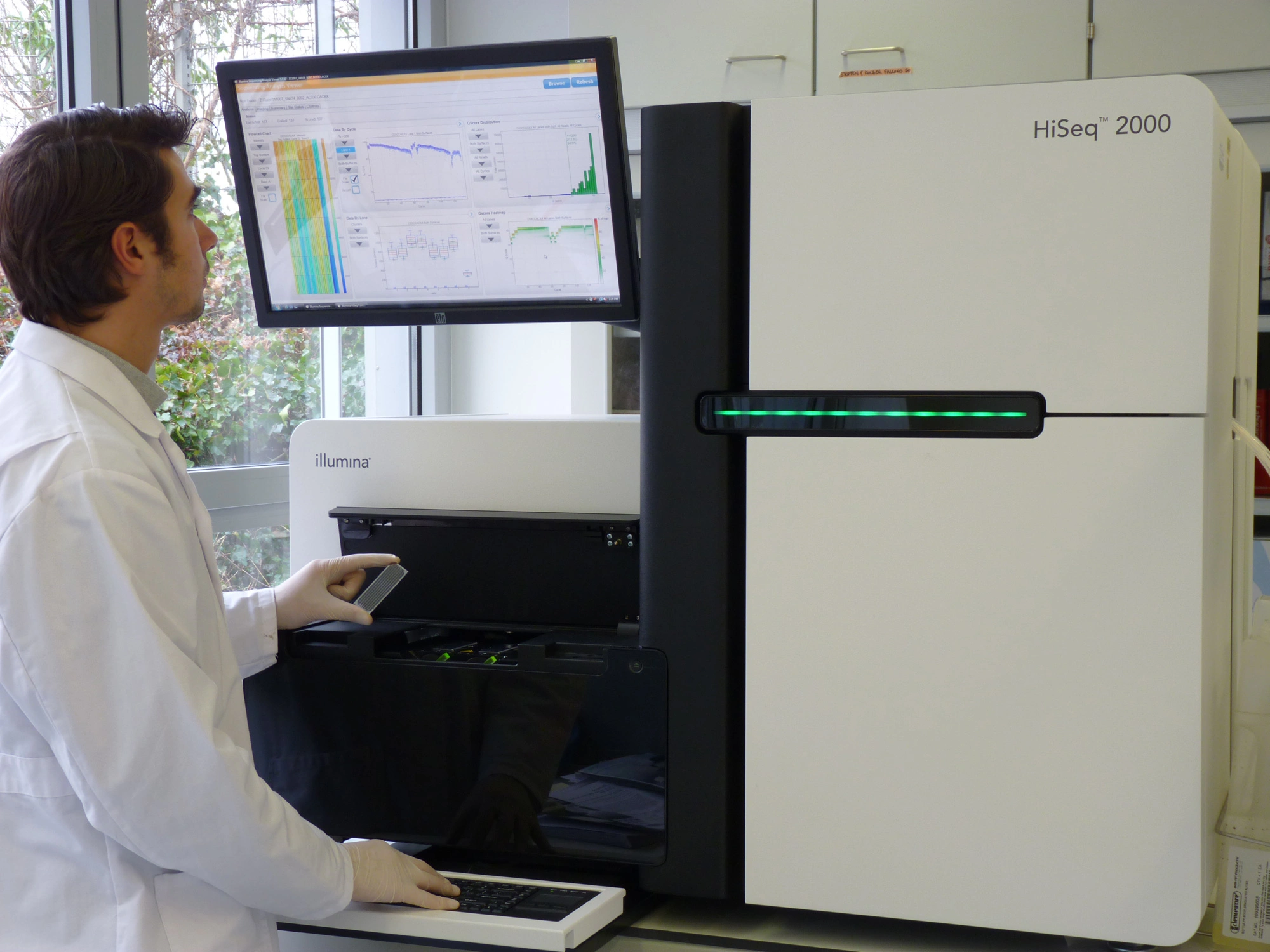
Next-Generation Sequencing for Modern Pathology
Next-Generation Sequencing for Modern Pathology | Modern medical diagnosis no longer relies solely on observing physical symptoms or conventional microscopic examinations. The emergence of large-scale DNA and RNA analysis technologies has fundamentally changed how medical professionals understand diseases. At the forefront of this transformation is a method known as Next-Generation Sequencing (NGS).
This technology works by reading millions of nucleic acid strand fragments simultaneously. This capability significantly shortens the process of mapping the human genetic blueprint, making it highly efficient while covering a vast area in a single test. For pathologists and clinical laboratory managers, this innovation opens the door to far more precise and personalized diagnostic determinations.
Bridging Translational Research and Clinical Diagnostics
Today’s laboratories are frequently faced with two major responsibilities at once. On one hand, they must support translational research to discover new biomarkers. On the other hand, they are required to provide rapid routine diagnostic services for patient safety. Answering this dual challenge, Thermo Fisher Scientific designed an NGS ecosystem that is adaptive and functionally integrated.
The software and instruments developed within this line ensure that genetic testing workflows run in alignment with medical regulatory standards. Through a comprehensive approach, researchers can easily transition laboratory findings into real-world clinical applications. This cuts through the technical red tape that usually hinders integration between the research community and frontline healthcare services.
Core Pillars of Modern NGS Technology Excellence
Implementing sequencing technology in healthcare facilities demands exceptionally strict standards. Various structural advantages are intentionally embedded into this modern NGS system to ensure daily operational effectiveness in the laboratory:
High Accuracy on a Macro Scale
Misreading a single nitrogenous base can be fatal for clinical interpretation, especially when detecting rare mutations in cancer. This sequencing system utilizes advanced chemistry capable of identifying genetic variants with remarkably high sensitivity, minimizing the risk of false-negative results.
Rapid Turnaround Time
When managing critical patients or determining advanced-stage cancer therapies, time is an invaluable asset. The latest NGS platforms can slash waiting times from weeks to days, or even hours. This speed allows specialists to make therapeutic decisions immediately without delaying patient care.
Simple Workflow Automation
One of the biggest hurdles in adopting conventional NGS is the complexity of sample preparation, or library preparation. Through end-to-end automation, manual operator involvement (hands-on time) is drastically reduced. Consequently, the potential for human error can be minimized.
Operational Cost Efficiency
The assumption that genetic mapping tests are always capital-intensive is now beginning to fade. The efficient use of reagents and maximization of sequencing chip capacity make the cost per sample far more economical. This cost structure helps hospitals manage their operational budgets more wisely.
Practical Transformation in the Pathology Room
The presence of a compact NGS ecosystem brings a tangible impact to the daily activities of pathologists. When analyzing tumor biopsy tissue where sample volume is extremely limited, older sequencing methods often deplete the tissue material before all target genes can be examined.
Utilizing targeted NGS panels allows for the simultaneous examination of tens to hundreds of relevant genes from just a single, small biopsy specimen. Pathologists can identify point mutations, insertions, deletions, and gene fusions in great depth. This comprehensive genomic information serves as the core foundation for generating accurate molecular pathology reports.
Supporting the Implementation of Precision Medicine
Every patient possesses a unique genetic profile, which means their responses to medications vary. This is where personalized medicine, or precision medicine, plays a vital role. The genomic data generated by NGS instruments provides a thorough overview of a disease’s biological vulnerabilities.
For example, in oncology management, sequencing results can indicate whether a patient will respond to a specific targeted therapy or display resistance instead. Furthermore, in pharmacogenomics, this data helps predict how a patient’s body metabolizes drugs, enabling physicians to determine optimal dosages and avoid life-threatening side effects.
Automation Eliminates Technical Hurdles in the Lab
For years, sequencing technology was considered the exclusive domain of large-scale research laboratories that employed dedicated bioinformatics experts. The complexity of raw data analysis was often a major deterrent for mid-sized healthcare facilities.
To overcome this constraint, Thermo Fisher Scientific’s NGS platforms come equipped with integrated data analysis systems that translate raw sequencing data into easy-to-read clinical reports. Laboratory personnel no longer need to perform tedious manual data processing. Built-in artificial intelligence and databases automatically match discovered genetic variants with the latest medical literature, generating clinical recommendations ready for medical team review.
Looking to the Future of Molecular Diagnostics
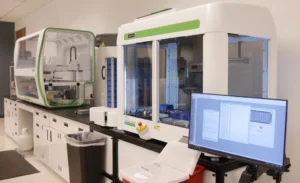
The need for genetic testing is projected to rise sharply alongside growing awareness of early disease detection. Choosing the right NGS infrastructure is not just a short-term medical equipment investment; it is a strategic long-term step to elevate an institution’s healthcare capabilities.
By providing reliable, flexible tools backed by a robust ecosystem, laboratories can continue to thrive alongside the current of medical innovation. Mastering genomic technology ultimately converges on one main objective: saving more lives through faster, more accurate, and dependable diagnoses for the wider community.
Understanding IVD: The Vital Tech Behind Medical Diagnosis
Understanding IVD: The Vital Tech Behind Medical Diagnosis | When we go for a health check-up, a doctor often requests laboratory tests such as blood work, urine analysis, or a throat swab. While these procedures might feel like a routine part of a clinic visit, there is sophisticated technology working behind the scenes to provide definitive answers about our health. This field of technology is known in the medical world as In Vitro Diagnostics (IVD).
In simple terms, IVD refers to devices or systems used to examine biological samples taken from the human body. Unlike invasive procedures like surgery, these examinations are performed “outside the body”—derived from the Latin term in vitro, meaning “in glass.” The samples used can vary widely, ranging from blood and tissue to saliva or even DNA.
How IVD Guides Medical Treatment
The primary function of an IVD device is to provide objective data for healthcare professionals. Accurate diagnosis is the bedrock of effective treatment. Without the data provided by IVD results, clinicians would often have to rely on guesswork based solely on visible physical symptoms.
For instance, if a patient feels fatigued and appears pale, a Complete Blood Count (CBC)—a common type of IVD—can pinpoint exactly whether the patient is suffering from anemia, a specific infection, or other underlying health issues. With precise data in hand, the risk of misdiagnosis or improper medication is significantly reduced.
Diverse Types and Scales of Use
The spectrum of diagnostic devices is vast, spanning from tools we can use at home to massive automated machines in central laboratories. Here are the primary categories:
-
Self-Testing Tools (Point-of-Care): Perhaps the most familiar example is the home pregnancy test. This is one of the simplest yet most crucial forms of IVD. Additionally, during the pandemic, rapid antigen tests for COVID-19 became a household staple. The ability of these tools to provide instant results without a hospital visit is their greatest advantage.
-
Public Safety Screening: IVDs play a vital role in safeguarding the national blood supply. Every bag of donated blood must undergo high-speed testing in clinical laboratories to ensure the absence of infectious diseases such as HIV or Hepatitis. In this context, IVD acts as the first line of defense for public health.
-
Complex Disease and Genetic Diagnosis: At a more advanced level, IVDs are used for genetic analysis. These tests can detect specific gene mutations that may increase the risk of cancer. By understanding a patient’s genetic profile, doctors can design “personalized medicine,” where treatments are tailored specifically to the patient’s unique biological makeup.
Why IVD is Essential for the Future of Healthcare
The integration of digital technology is making IVDs more efficient than ever. Today, many diagnostic devices are being equipped with Artificial Intelligence (AI) to interpret lab results with a level of precision that can exceed human observation. This speeds up data processing, ensuring patients no longer have to wait days for critical results.
Furthermore, easier access to IVD encourages a more proactive approach to early detection. It is well-known that most serious illnesses have a much higher recovery rate if caught in the early stages through routine screening. IVD is shifting the healthcare paradigm from “reacting to illness” to “monitoring for wellness.”
In vitro diagnostic medical devices are far more than just lab equipment. They serve as the “eyes” for medical practitioners, allowing us to see what is happening within cells and blood vessels without the need for surgery. From confirming a pregnancy in the morning to screening for infections in large-scale labs, IVDs work quietly to ensure every medical decision is based on valid, actionable data.
Understanding the significance of these tools helps us appreciate the rapid advancements in medical technology. With fast and accurate diagnostics, the path to recovery becomes shorter and more certain.