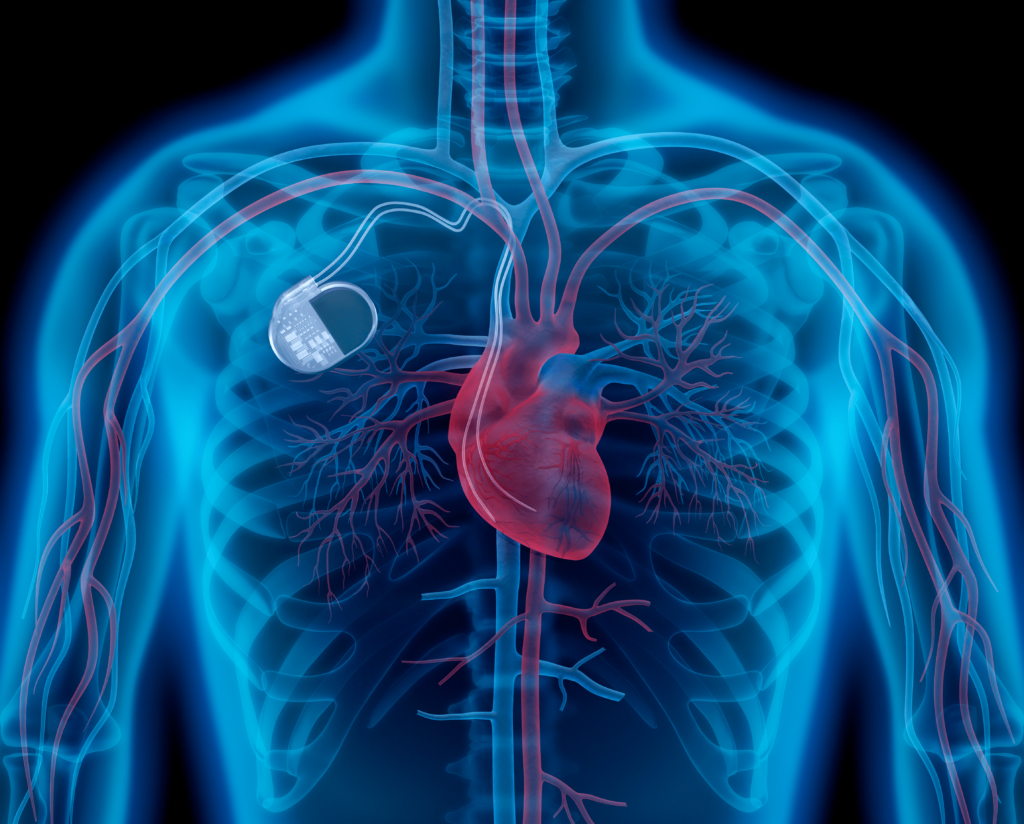
Modern Pacemakers: Technology and Clinical Benefits
Modern Pacemakers: Technology and Clinical Benefits – Managing a life-threatening heart rhythm disorder often requires advanced medical intervention. For many patients, doctors recommend the implantation of a pacemaker—a sophisticated, life-saving device designed to keep the heart beating in a consistent, healthy rhythm. If you or a loved one are facing cardiac rhythm challenges, understanding how this technology works and why it is used is the first step toward effective treatment.
What Is a Pacemaker and How Does It Function?
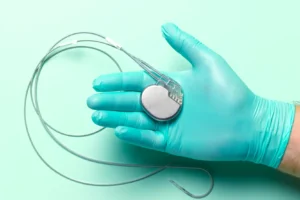
At its core, a pacemaker is a small, battery-operated electronic device. Despite its compact size, it performs a crucial role: monitoring the heart’s electrical activity and sending low-energy electrical impulses when necessary. These impulses encourage the heart to beat at a steady, normal rate, ensuring that the heart is neither too slow nor excessively fast. By maintaining this regulated rhythm, the device allows the heart to pump blood effectively to the rest of the body, preventing complications such as fatigue, fainting, or more severe cardiovascular events.
When Is a Pacemaker Necessary?
Medical professionals typically suggest a pacemaker for individuals suffering from arrhythmias, a condition where the heart’s natural electrical system malfunctions. While arrhythmia is the most common reason for implantation, these devices are also critical tools in the management of specific cases of heart failure and post-heart attack recovery. In these scenarios, the pacemaker acts as a safeguard, stepping in to ensure that the heart’s workload remains manageable and that the body receives adequate oxygenated blood flow.
Critical Assessments Prior to Implantation
Deciding to undergo a procedure to install a pacemaker is a significant medical step. Consequently, healthcare providers perform a comprehensive series of diagnostic tests to ensure that the heart truly requires external electrical support. Every patient is unique, and these assessments provide the clinical data necessary to tailor the device’s settings to the individual’s specific needs.
Standard diagnostic protocols before the procedure often include:
-
General Physical Examination: A holistic assessment of overall health to determine surgical eligibility and baseline cardiovascular status.
-
Electrocardiogram (ECG/EKG): A standard test that records the electrical signals in the heart, providing a clear snapshot of current rhythm abnormalities.
-
Holter Monitoring: Unlike a standard ECG, this portable device records the heart’s activity over 24 to 48 hours, capturing intermittent issues that might not appear during a brief clinical visit.
-
Echocardiogram: This ultrasound-based imaging test provides a visual look at the heart’s structure, allowing doctors to evaluate how well the heart valves and chambers are pumping.
-
Stress Test: Often performed while walking on a treadmill or using a stationary bike, this test measures how the heart performs under physical exertion, helping identify limitations in heart rhythm response.
Living with the Device
Modern advancements have made pacemakers smaller and more durable than ever before. While the adjustment period after surgery varies from person to person, most patients report a significant improvement in their quality of life. The device essentially operates in the background, allowing individuals to return to their daily activities with the peace of mind that their heart rhythm is being monitored and corrected in real-time.
Advancements in medical technology continue to bridge the gap between complex heart conditions and a normal, active lifestyle. A pacemaker is far more than just an electrical gadget; it is a vital component of modern cardiac care that bridges the gap between potential danger and a healthy heart rate. If you have been advised to undergo this procedure, rest assured that these diagnostic steps and the device itself are proven methods to stabilize your cardiovascular health.
Always maintain open communication with your cardiologist regarding your symptoms and lifestyle needs, as they are the best resource for managing your specific heart health journey.