New Era of Health: The Real-World Arrival of Wearable Kidneys
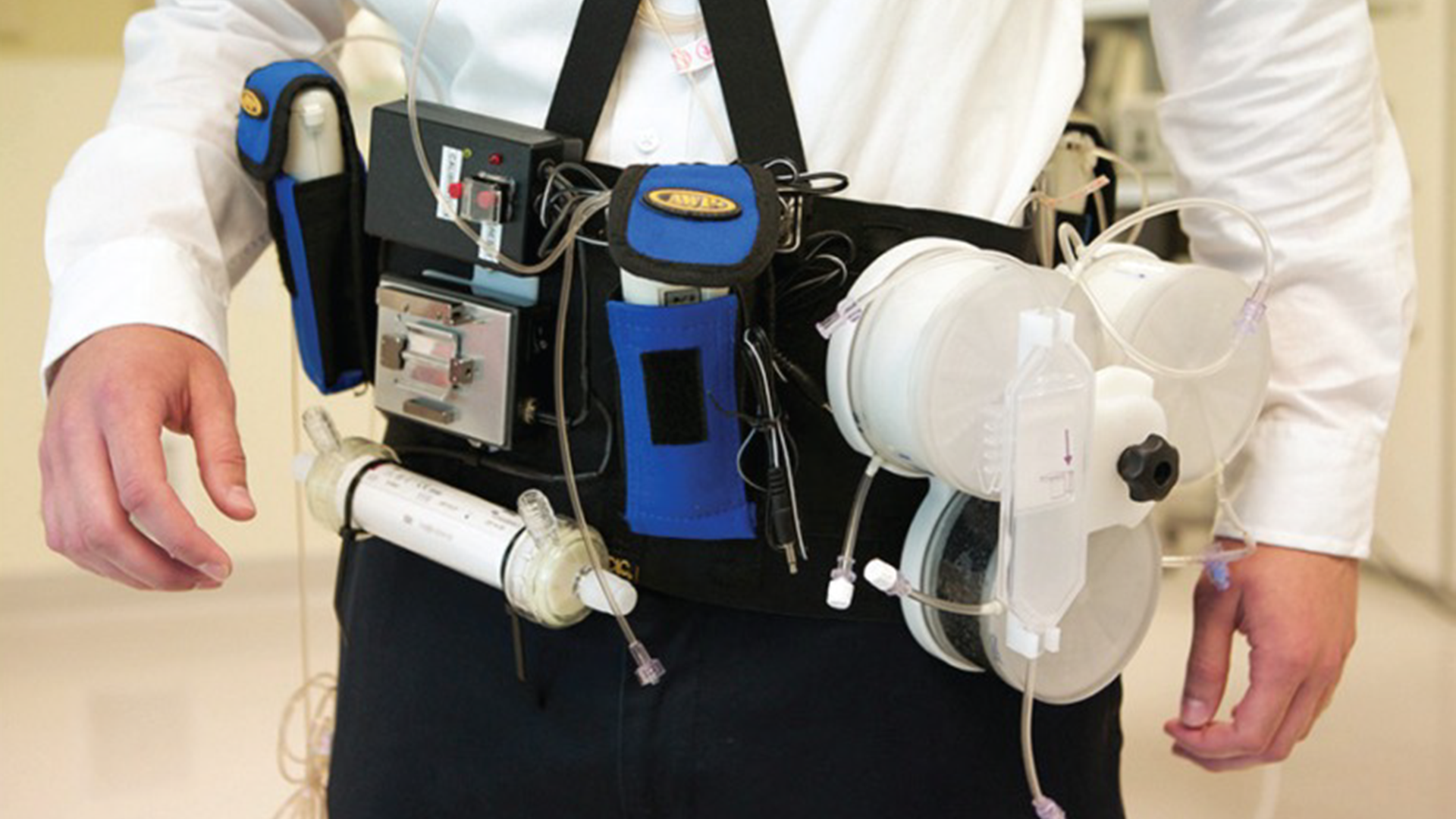
New Era of Health: The Real-World Arrival of Wearable Kidneys – Medical technology is constantly racing to bridge the gap between patient needs and the limitations of current equipment. For those living with kidney failure, daily routines often feel like a race against time, tethered to bulky machines in dialysis centers. However, a new beacon of hope is appearing on the medical horizon: the concept of the Wearable Artificial Kidney (WAK). This technology is more than just a medical aid; it is a promise of freedom for millions of patients worldwide.
Why Do We Need Portable Dialysis?
Traditionally, kidney failure patients who have not yet received a transplant rely heavily on conventional dialysis procedures. While this method is highly effective at filtering blood and removing excess fluid, the process takes hours and often leaves patients feeling profoundly exhausted. Furthermore, the physical confinement to a machine necessitates staying stationary, which automatically diminishes quality of life and productivity.
The quest to create a miniature dialysis machine actually began as far back as the 1970s. Unfortunately, technology at the time was unable to shrink machine components enough to make them light enough to carry. The main obstacles always revolved around battery weight, filter size, and the massive amount of pure water required for the dialysate fluid.
Technological Breakthroughs Behind Autonomous Devices
Now, thanks to intensive research in the United States and other developed nations, these technical hurdles are starting to clear. Scientists have successfully developed much lighter components and high-endurance batteries. The most crucial innovation lies in advanced filtration systems capable of recycling the dialysate fluid. This means the machine no longer requires gallons of pure water, allowing it to be sleek enough to be hidden under clothing.
Currently, development focuses on three primary types of devices:
-
Portable Hemodialysis Devices: Focused on direct blood cleaning.
-
Peritoneal Dialysis Devices: Utilizing the patient’s abdominal lining as a natural filter.
-
Hybrid Machines: Innovations that combine both methods for optimal results.
More Natural Health Benefits
The advantages of portable kidneys extend far beyond aesthetics or physical comfort. Medically, these devices mimic the function of a real kidney by filtering blood 24 hours a day. This continuous work cycle is much healthier than conventional dialysis, which is performed periodically (a few times a week).
With around-the-clock cleaning, a patient’s blood pressure tends to remain more stable. Additionally, fluid buildup in the body can be significantly minimized, which ultimately reduces the workload on the heart. Another piece of good news for patients is increased dietary flexibility; they no longer need to follow such restrictive diets because toxic waste is being constantly removed from their bloodstream.
WAK: From the Lab to Clinical Trials
One of the innovations showing the most tangible progress is the WAK (Wearable Artificial Kidney). This is currently the only device that has undergone human testing phases. In three initial studies, the results showed very promising performance.
The latest version of the WAK now weighs only about two pounds (less than one kilogram). This lightweight design is supported by a small battery that can be recharged while the patient sleeps at night. Although two more clinical study phases are required before it is ready for the general public, the existence of the WAK provides concrete proof that the future of portable dialysis is within reach.
Anticipating a Freer Future
The transition from giant machines to a device that can be worn like a belt certainly requires high precision. Researchers are committed to ensuring that every flaw found in previous trials is completely corrected before mass production begins. While it may take a few more years for these devices to become available at local hospitals, the progress happening every day is a strong reason to stay optimistic.
For those battling kidney failure, this technology is not just a medical tool—it is a ticket to returning to a normal life—working, traveling, and staying active without feeling “tied” to a life-sustaining machine. Let us keep a close eye on these developments, as this dream is one step closer to becoming a reality that will change the face of healthcare forever.