
Diagnostic Imaging: A Guide to Medical Scans
Diagnostic Imaging: A Guide to Medical Scans | The first step toward effective medical treatment always begins with an accurate diagnosis. In the medical world, the ability to “see” what is happening inside the body without invasive surgery is a technological marvel. This is what we call diagnostic imaging. Through various advanced machines and techniques, doctors can map organ structures and monitor biological activities at a cellular level to find hidden clues about a medical condition.
Understanding the Essence of Diagnostic Imaging
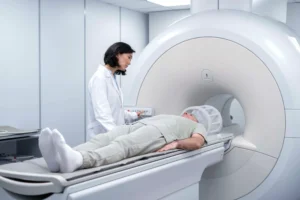
At its core, diagnostic imaging refers to a collection of medical procedures used to create visual representations of the interior of a body. The specific method a physician chooses typically depends on the patient’s symptoms and which part of the anatomy requires examination. This technology is not only used to detect broken bones; it is also crucial for identifying tumors, blood vessel blockages, and neurological disorders.
Each machine has unique characteristics. Some utilize sound waves, others use powerful magnetic fields, or even low-level radioactive particles. Understanding these functional differences helps patients feel more at ease when undergoing procedures at a hospital or clinic.
Common Types of Imaging Technologies
As medical specialties have evolved, imaging devices have become increasingly specialized. Here are the primary methods that serve as the pillars of modern diagnostics:
1. X-rays and CT Scans
X-rays are the oldest form of imaging but remain the most widely used, particularly for viewing bone density or detecting lung infections. A CT Scan (Computed Tomography), on the other hand, is a more sophisticated version that combines a series of X-ray images taken from different angles to create cross-sectional (3D) views of soft tissues and blood vessels.
2. MRI (Magnetic Resonance Imaging)
Unlike X-rays, an MRI uses a powerful magnetic field and radio waves. This device is superior for capturing detailed images of the brain, spinal cord, and joints. Its primary advantage is that it does not expose the patient to radiation, though the procedure requires the individual to stay perfectly still for an extended period inside a tube-like machine.
3. Nuclear Medicine Scans
These procedures involve using a very small amount of a radioactive substance introduced into the body. The focus here is not just on anatomical structure, but on how the organs are actively functioning, such as in thyroid scans or the early detection of cancer spread.
4. Ultrasound
Utilizing high-frequency sound waves, ultrasound is a top choice because it is non-invasive and radiation-free. Beyond monitoring fetal development during pregnancy, ultrasound is now heavily relied upon to examine the abdomen, heart, and glands without harmful side effects.
The Patient Experience: Comfort and Specialized Procedures
Undergoing an imaging test can often trigger anxiety. In reality, the majority of exams, such as standard X-rays or ultrasounds, are quick and painless. However, some tests require extra patience. For instance, during an MRI, patients must remain calm and motionless to prevent the images from blurring. For some, staying in a narrow machine for a long time can be uncomfortable.
Additionally, there are more specific methods involving a scope. This is a tiny camera attached to a long, thin tube. A doctor moves it through natural body passageways to directly view the inside of an organ, such as the colon (colonoscopy) or lungs. Since these procedures are semi-invasive, they often require anesthesia to ensure the patient feels no pain.
Radiation and Safety Considerations
A common concern regarding imaging is radiation exposure. It is true that methods like X-rays and CT scans involve ionizing radiation in small doses. However, medical professionals always balance the diagnostic benefits against the minimal risks. Modern safety standards ensure that the amount of radiation received is kept within safe limits and is only administered when essential for treatment.
Closing the Gap of Medical Uncertainty
Ultimately, the presence of various imaging technologies aims to eliminate guesswork in medical intervention. Without clear visuals, treatment would be based on assumptions. With precise scan results, doctors can develop more targeted care plans, ranging from accurate medication dosages to better-prepared surgical procedures.
Diagnostic imaging is about more than just machines and cables; it is about providing clarity to patients regarding their health. Understanding how these tools work helps us appreciate how far science has come in preserving human quality of life.