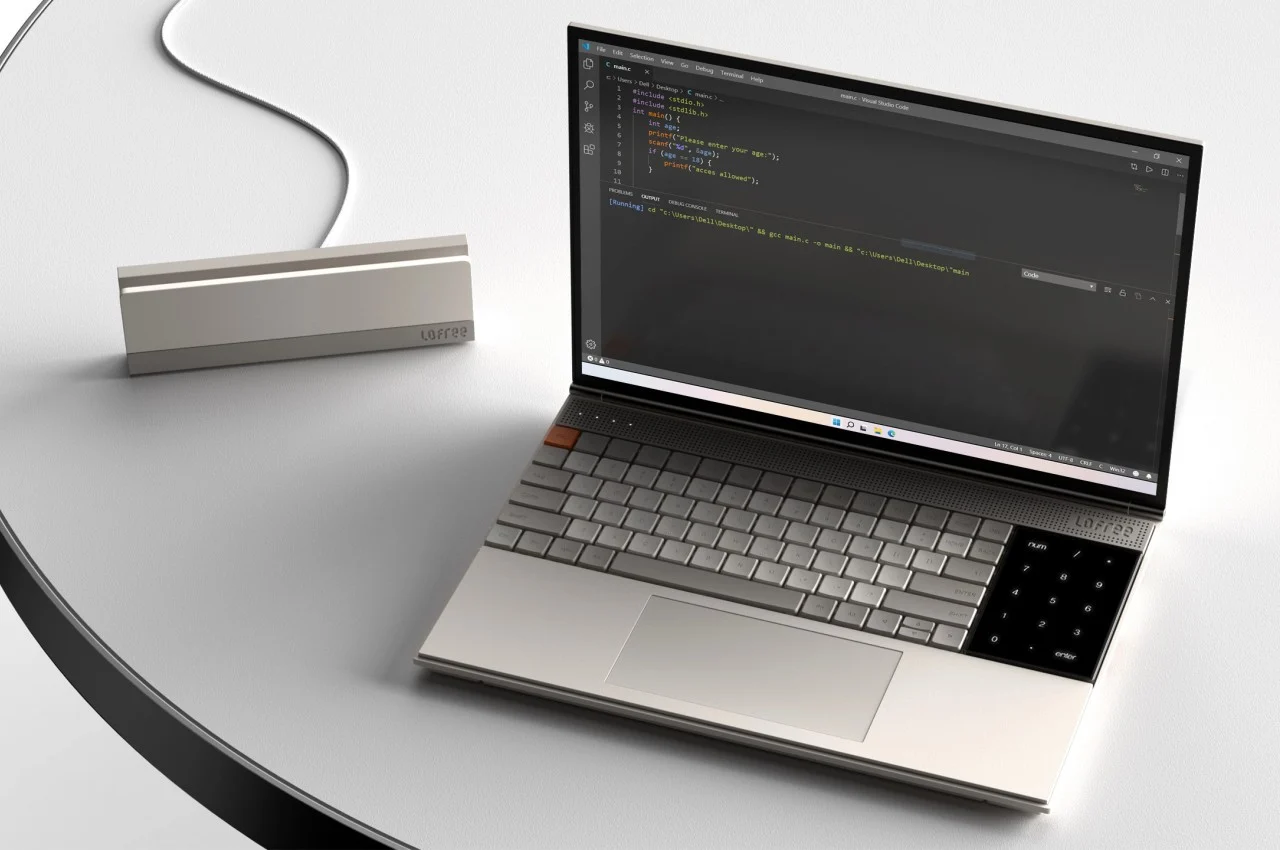
Old Laptop Trends That Once Dominated the Market – Before laptops became ultra-thin, fanless, and powered by all-day batteries, the market was full of bold ideas, strange designs, and trends that truly defined their era. Many of these old laptop trends once dominated store shelves, influenced buying decisions, and shaped how people worked, studied, and traveled. Some of them disappeared quietly, while others evolved into something more modern.
Looking back at these trends is not just about nostalgia. It also helps us understand how far laptop technology has come and why certain design choices exist today. Let’s take a closer look at the laptop trends that once ruled the market and why they eventually faded away.
The Era of Bulky and Heavy Laptops
In the early days, portability was more of a promise than a reality. Laptops were often thick, heavy, and far from convenient to carry around.
When Weight Didn’t Matter Much
During the late 1990s and early 2000s, it was normal for laptops to weigh over 3 kilograms. People accepted this because having a “portable computer” was already revolutionary. These machines were built like tanks, with thick plastic bodies and large internal components that needed plenty of space.
At the time, users prioritized performance and durability over slim design. Business users, in particular, valued laptops that could survive daily travel, even if it meant carrying extra weight.
Optical Drives as a Must-Have Feature
There was a time when a laptop without a CD or DVD drive felt incomplete. Optical drives were once a key selling point.
CDs and DVDs Ruled Everything
Installing software, watching movies, burning data, and listening to music all relied on CDs or DVDs. Laptop manufacturers competed by offering faster DVD writers and multi-format drives. Some models even promoted dual-layer DVD support as a premium feature.
As internet speeds improved and cloud storage became common, optical drives slowly lost their relevance. Today, they are almost completely gone, replaced by USB drives and online downloads.
Physical Media Buttons and Indicator Lights
Old laptops loved buttons, switches, and blinking lights. They weren’t just decorative; they were functional and often proudly displayed.
Dedicated Buttons for Everything
Volume controls, Wi-Fi switches, media playback buttons, and quick-launch keys were common on older laptops. Some models had entire rows of physical buttons above the keyboard. Indicator lights showed hard drive activity, battery status, charging, and wireless connections.
While modern laptops aim for clean and minimal designs, these old features gave users a sense of control and visibility that many still miss today.
The Rise of Netbooks and Mini Laptops
Netbooks were once everywhere. For a brief period, they dominated the budget laptop market and changed expectations.
Small, Cheap, and Everywhere
Netbooks focused on portability and affordability. With screens around 10 inches, low-power processors, and lightweight bodies, they were perfect for basic tasks like browsing and document editing. Students and casual users loved them.
However, limited performance and cramped keyboards eventually became deal-breakers. As tablets and affordable full-size laptops improved, netbooks faded into history.
Swappable Batteries and Modular Design
One trend that many users still wish would return is the removable battery.
Freedom to Swap and Replace
Older laptops often featured removable batteries that could be swapped in seconds. Power users carried spare batteries to extend usage throughout the day. If a battery degraded, replacing it was simple and inexpensive.
Modern laptops favor sealed designs for slimness and aesthetics. While this improves portability, it reduces repairability and flexibility, making removable batteries a fond memory for many long-time users.
Glossy Screens Everywhere
Glossy laptop displays were once marketed as a premium feature, even though they came with clear drawbacks.
Bright Colors with Heavy Reflections
Manufacturers promoted glossy screens for their vibrant colors and higher contrast. They looked great in showrooms and indoor environments. However, reflections made them difficult to use outdoors or under strong lighting.
Eventually, matte displays made a comeback, especially for business and professional users who valued practicality over visual flair.
Oversized Branding and Flashy Designs
Old laptops were not shy about showing off logos and decorative elements.
More Logos, More Style
Large brand logos, chrome accents, textured lids, and colorful finishes were common. Some laptops featured bold designs aimed at gamers or younger audiences, while others focused on a “futuristic” look.
Today’s trend leans toward subtle branding and minimalist design. Still, those older flashy laptops had a unique personality that set them apart.
Mechanical Hard Drives as Standard Storage
Before SSDs became affordable, mechanical hard drives were the default choice.
Capacity Over Speed
Hard drives offered large storage capacities at reasonable prices, making them ideal for storing movies, music, and documents. Speed was secondary, and boot times were often painfully slow by today’s standards.
The shift to SSDs dramatically improved laptop performance, making older HDD-based laptops feel outdated almost overnight.
Why These Trends Disappeared
Technology evolves quickly, and user expectations change just as fast. Many old laptop trends disappeared because they no longer aligned with modern needs.
Efficiency, Mobility, and Simplicity
Today’s users prioritize fast performance, long battery life, lightweight design, and silent operation. Features like optical drives, bulky bodies, and excessive buttons no longer fit this vision.
Advances in cloud computing, wireless connectivity, and component miniaturization made it possible to remove many once-essential features without sacrificing usability.
Lessons from Old Laptop Trends
Looking back at these trends reveals an important lesson: innovation is often experimental. Not every feature stands the test of time, but each trend contributes to future improvements.
Some ideas, like modular components and physical controls, are even making a quiet comeback in new forms. Others remain part of laptop history, remembered fondly by users who experienced them firsthand.
Old laptop trends may be gone, but their influence is still present in the devices we use today. They remind us that technology is always evolving, shaped by both practicality and the habits of its users.