Best Laptops for Video Streaming and Entertainment
Are Gaming Laptops Worth the Price?

Laptop Security Features: What Are Global Experts
Laptop Security Features: What Are Global Experts Saying About Privacy? – Laptop security features are no longer just a “nice to have.” In a world where remote work, digital banking, online shopping, and cloud storage are part of daily life, privacy has become a global concern. From business executives in New York to freelancers in Jakarta, everyone is asking the same question: how safe is my data?
Global experts in cybersecurity consistently warn that laptops are prime targets for cybercriminals. As devices that store personal files, financial records, passwords, and sensitive company information, laptops are often the first door hackers try to break into. That is why modern laptop security features have evolved rapidly over the past few years.
Companies like Apple, Microsoft, Dell, HP, and Lenovo are now competing not only in performance and design, but also in privacy protection. Let’s explore what global experts are saying about laptop security features and why they matter more than ever.
Why Laptop Privacy Is a Global Concern
Cybersecurity researchers from institutions like Kaspersky and NortonLifeLock report that cyberattacks targeting personal devices have increased significantly in recent years. Phishing scams, ransomware, spyware, and identity theft are becoming more sophisticated.
Experts agree on one thing: the human factor remains the weakest link. Even the most advanced security system can fail if users ignore updates or use weak passwords. However, manufacturers are now building smarter laptop security features to reduce these risks.
Privacy is no longer just about preventing hackers. It is also about protecting users from invasive tracking, unauthorized camera access, and hidden data collection. Governments worldwide are introducing stricter data protection regulations, which further push laptop brands to improve security standards.
Hardware-Level Security Is the New Standard
One of the biggest trends in laptop security is hardware-level protection. Cybersecurity experts argue that software-only protection is no longer enough. Once malware bypasses the operating system, it can cause serious damage.
This is why companies like Microsoft introduced hardware-based security solutions such as the Secured-core PC initiative. Similarly, Apple developed custom security chips like the T2 and later integrated security features directly into Apple Silicon processors.
Global analysts highlight that hardware encryption, secure boot processes, and trusted platform modules help ensure that the device starts safely and that data remains encrypted even if the laptop is stolen. This shift toward integrated security design reflects a broader understanding: privacy must be built into the device from the ground up.
Biometric Authentication: Convenience Meets Security
Another key area experts frequently discuss is biometric authentication. Passwords alone are no longer considered secure enough. Weak, reused, or easily guessed passwords remain one of the main causes of data breaches.
Modern laptops now feature fingerprint scanners and facial recognition systems. For example, Windows Hello by Microsoft enables users to log in using facial recognition or fingerprints. Meanwhile, Apple integrates Touch ID into its MacBook lineup.
Security specialists believe biometric authentication adds an important extra layer of protection. Even if someone steals your laptop, accessing it becomes much harder without your fingerprint or facial scan. However, experts also remind users to combine biometrics with strong passwords and multi-factor authentication for maximum security.
Webcam and Microphone Protection
Privacy experts often point out a more subtle risk: unauthorized camera and microphone access. There have been cases where hackers gained control of webcams to spy on users without their knowledge.
In response, many laptop manufacturers now include physical webcam shutters. Brands like HP and Lenovo have incorporated sliding camera covers directly into their designs. This simple hardware solution is widely praised by privacy advocates because it offers visible, physical reassurance.
Software-level controls also play an important role. Operating systems allow users to manage which applications can access the camera and microphone. Experts emphasize that users should regularly review these permissions to prevent misuse.
Full-Disk Encryption and Data Protection
One of the most recommended laptop security features by global experts is full-disk encryption. Encryption ensures that even if someone removes the hard drive from a stolen laptop, the data remains unreadable without the correct credentials.
On Windows devices, BitLocker from Microsoft provides built-in encryption. On macOS, FileVault from Apple offers similar protection. Security professionals consistently recommend enabling these features as soon as you set up a new laptop.
Experts also stress the importance of secure cloud backups. While encryption protects local data, regular backups protect against ransomware attacks. If your files are encrypted by malware, a clean backup can save you from paying hackers.
AI and Behavioral Monitoring
Artificial intelligence is becoming an essential component of modern laptop security. Companies such as McAfee are integrating AI-driven threat detection into their security software.
AI-based systems monitor user behavior and detect unusual activity. For example, if your laptop suddenly tries to access large volumes of sensitive data at odd hours, the system can flag or block the action. According to cybersecurity researchers, behavioral monitoring helps identify zero-day threats that traditional antivirus programs might miss.
However, privacy advocates also caution that AI systems must be transparent. Data collected for security monitoring should not be misused for tracking or advertising purposes. This balance between protection and privacy remains a key debate among experts.
Operating System Updates and Patch Management
Global experts repeatedly highlight one simple but critical security practice: keeping your operating system updated. Companies like Microsoft and Apple regularly release security patches to fix vulnerabilities.
Hackers often exploit known weaknesses in outdated systems. By installing updates promptly, users close these security gaps. Despite frequent reminders, many users still postpone updates, increasing their exposure to risk.
Cybersecurity specialists argue that automatic updates should remain enabled unless there is a specific technical reason to disable them. Regular updates are one of the easiest ways to strengthen laptop security without additional cost.
The Role of VPN and Network Security
Laptop security does not stop at the device level. Experts emphasize the importance of secure internet connections, especially when using public Wi-Fi networks in airports, hotels, or cafes.
Virtual Private Networks help encrypt internet traffic and hide user activity from potential eavesdroppers. Many cybersecurity companies recommend using a reputable VPN service when working remotely. Combined with firewall protection and secure DNS settings, this creates a safer browsing environment.
Manufacturers are also enhancing built-in firewall and network monitoring tools to prevent unauthorized access attempts. These layered defenses reflect a growing understanding that modern privacy protection requires a multi-layered approach.
What Experts Predict for the Future
Looking ahead, global experts believe laptop security features will become even more integrated and automated. Biometric authentication may evolve into continuous identity verification, where the system constantly checks whether the authorized user is present.
Zero-trust security models are also gaining popularity. Instead of assuming trust within a network, every access request must be verified. This approach reduces the risk of internal breaches.
Additionally, there is increasing demand for transparency. Users want to know exactly how their data is handled, stored, and protected. Laptop manufacturers that prioritize privacy by design are likely to gain stronger consumer trust.
Final Thoughts
So, what are global experts really saying about laptop privacy? The message is clear: security must be proactive, layered, and built into both hardware and software. From biometric authentication and full-disk encryption to AI-based monitoring and hardware-level protection, modern laptop security features are evolving rapidly.
However, technology alone is not enough. Users must stay informed, enable built-in protections, update their systems, and practice safe online habits. Privacy is no longer just a technical issue. It is a shared responsibility between manufacturers and users.
How Global Users Rate the Latest Laptops: A Regional Breakdown
How Global Users Rate the Latest Laptops: A Regional Breakdown – In today’s fast-paced digital world, laptops have become essential tools for work, study, and entertainment. With countless models available, each boasting different features, performance levels, and designs, understanding how users around the globe perceive the latest laptops can provide valuable insights. Ratings and reviews differ depending on regions, reflecting local preferences, usage patterns, and access to technology. Let’s explore how global users rate the latest laptops and what these insights mean for buyers everywhere.
North America: Focus on Performance and Productivity
In North America, users often prioritize laptops that balance performance and portability. High-end processors, ample RAM, and long battery life are among the most praised features. Professionals and students alike appreciate devices that can handle multitasking, heavy software, and remote work demands. Brands that deliver on speed, reliability, and ergonomic design tend to receive the highest ratings.
Users in this region also pay attention to the ecosystem surrounding the laptop, such as compatibility with cloud services, software availability, and integration with other devices like smartphones and tablets. Lightweight laptops with sleek designs are particularly popular among those who travel frequently or need a device for both home and office use.
Gaming and Creative Laptops
Another trend in North America is the growing interest in gaming and creative laptops. High-resolution displays, advanced graphics cards, and customizable keyboards attract gamers, graphic designers, and video editors. User reviews often highlight features like cooling systems, storage speed, and screen quality, which directly impact performance for gaming or creative tasks. Laptops that excel in both productivity and entertainment tend to receive strong user ratings.
Europe: Emphasis on Design and Sustainability
European users often combine performance expectations with aesthetic appeal and sustainability. Laptops that are lightweight, slim, and visually appealing tend to earn higher ratings. Additionally, there is increasing attention to environmentally friendly materials and energy efficiency, as many buyers prioritize products that align with sustainable practices.
Performance remains important, but European users often seek a balance between capability and design. Laptops that can handle professional software while maintaining portability are particularly well-regarded. Battery life is also a common consideration, as users value devices that can support long hours of work or travel without frequent charging.
Regional Preferences
Preferences can vary within Europe. For instance, tech enthusiasts in Northern Europe may prioritize cutting-edge processors and graphics capabilities, while users in Southern Europe often emphasize mobility and battery longevity. User reviews across the region reflect these subtleties, providing nuanced insights into what buyers truly value.
Asia-Pacific: Value and Versatility Drive Ratings
In the Asia-Pacific region, affordability and versatility often influence laptop ratings. Users look for devices that offer strong performance without breaking the bank. Durability, ease of maintenance, and reliability are frequently highlighted in reviews. Laptops that can serve multiple purposes, such as work, entertainment, and gaming, tend to receive higher user ratings.
Mobile computing is especially important in countries where commuting is common or where students and professionals rely on laptops for on-the-go productivity. Features like lightweight design, long battery life, and fast startup times are often praised. Additionally, multilingual keyboards and software compatibility with regional languages can impact user satisfaction and ratings.
Tech-Savvy Markets
In tech-savvy markets like Japan, South Korea, and Singapore, users are quick to adopt the latest innovations. Touchscreens, high-resolution displays, and advanced security features are commonly appreciated. Reviews often highlight laptops that offer a smooth experience for both work and leisure, reflecting a desire for multifunctional devices.
Latin America: Durability and Support Matter Most
In Latin America, users tend to focus on durability and after-sales support when rating laptops. Devices that can withstand daily wear and tear, occasional travel, and varying environmental conditions are highly valued. Reliable customer service and accessible repair options also significantly influence user satisfaction.
Price sensitivity is another factor in the region. Laptops that deliver good performance at a reasonable price point tend to receive higher ratings. Reviews often emphasize whether the device meets expectations for the cost, with buyers sharing their experiences regarding longevity, battery life, and general reliability.
Emerging Trends
An emerging trend in Latin America is interest in laptops for remote learning and home offices. Users increasingly seek affordable models that can handle video conferencing, productivity software, and multimedia tasks efficiently. Laptops that balance performance, durability, and cost are rated most favorably.
Middle East and Africa: Performance Meets Connectivity
In the Middle East and Africa, connectivity and performance are major drivers of user ratings. Reliable Wi-Fi, solid battery life, and sufficient processing power for daily tasks are often praised. Users in urban areas prioritize devices that can handle professional workloads, entertainment, and educational needs seamlessly.
Durability and regional service availability also play an important role. Laptops that perform well in challenging climates or have extended warranty options tend to receive positive reviews. Buyers often share detailed experiences regarding long-term performance, heat management, and software compatibility.
Regional Variations
Within the region, preferences can differ significantly. Urban users may seek the latest technology and sleek designs, while buyers in rural areas may prioritize reliability and ease of maintenance. These variations are reflected in online ratings and reviews, offering valuable insights for manufacturers and potential buyers alike.
Global Insights and Takeaways
Examining laptop ratings across different regions reveals that while performance is universally important, other factors like design, sustainability, affordability, and support can heavily influence user satisfaction. North American users often emphasize productivity and entertainment, European buyers value design and sustainability, Asia-Pacific focuses on versatility and affordability, Latin American users prioritize durability and support, and Middle Eastern and African buyers seek connectivity and reliable performance.
For manufacturers and marketers, understanding these regional nuances is crucial for tailoring products and services to local preferences. For buyers, this global perspective provides a guide to what features and qualities are likely to be most appreciated in their specific market.
Final Thoughts: Making the Right Choice
Choosing the right laptop involves more than looking at technical specifications—it also means considering user experiences from around the world. Reviews and ratings provide insights into what users value most, from performance and battery life to design, durability, and customer support. By understanding regional preferences and priorities, buyers can make informed decisions that fit their lifestyle, work demands, and budget.
Whether you are a student, professional, gamer, or casual user, considering how global users rate laptops can help you find a device that delivers the right combination of performance, reliability, and satisfaction. In a market flooded with options, leveraging these insights can simplify the decision-making process and ensure that your new laptop meets both your expectations and your daily needs.
Top 5 Laptops for Business Professionals: Reviews
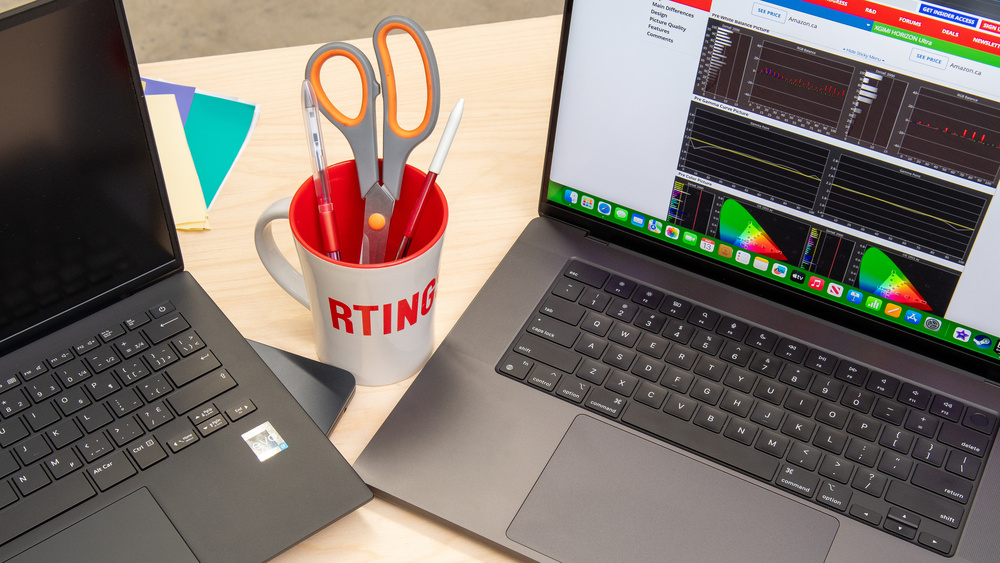
Top 5 Laptops for Business Professionals: Reviews from Across the Globe – In today’s fast-paced business world, having the right laptop is more than just a convenience—it’s a necessity. Business professionals need devices that combine performance, reliability, and portability, while also handling demanding tasks like data analysis, virtual meetings, and multitasking. We’ve scoured the globe to bring you reviews of the top five laptops that stand out for professionals who refuse to compromise on quality.
Why Choosing the Right Business Laptop Matters
Before diving into the list, it’s worth understanding why selecting the right laptop is critical. Business laptops are not just about speed—they’re about workflow efficiency, long battery life, security, and connectivity. A reliable laptop ensures that you can manage your workload seamlessly, whether you’re traveling, working from a home office, or collaborating with international teams. The wrong choice can lead to frustration, lost time, and even missed opportunities.
1. Dell XPS 13: Compact Powerhouse for Professionals
When it comes to balance between portability and power, the Dell XPS 13 consistently earns top marks from users worldwide. This laptop is sleek, lightweight, and surprisingly durable, making it ideal for professionals who are constantly on the move. Its InfinityEdge display maximizes screen space without increasing size, while the latest Intel processors ensure smooth performance even during multitasking. Business users praise its comfortable keyboard and precision touchpad, which make long hours of work more manageable.
Security is another highlight, with features like Windows Hello facial recognition and fingerprint scanning. These capabilities make it easy to protect sensitive business data without adding cumbersome steps to your workflow. Overall, the Dell XPS 13 proves that you don’t have to sacrifice performance for portability.
Key Takeaways from Users
Professionals around the globe often mention the XPS 13’s ability to handle intensive applications while remaining remarkably quiet and energy-efficient. Its compact design doesn’t compromise on essential ports, allowing connectivity for presentations and peripheral devices without extra adapters.
2. Apple MacBook Pro 16-inch: Creativity Meets Productivity
For business professionals who also work in creative fields, the Apple MacBook Pro 16-inch stands out as a versatile powerhouse. Apple’s M1 Pro and M2 Pro chips deliver unmatched speed for tasks like video editing, graphic design, and software development. Its retina display with true-to-life colors ensures that visuals are crisp and professional.
Mac users often highlight the stability of macOS, noting fewer crashes and better integration with other Apple devices—a significant advantage for teams using iPhones and iPads. The long-lasting battery means you can attend meetings, work on presentations, and manage emails without constantly searching for a power outlet.
Global Appeal
Across continents, the MacBook Pro is lauded for its combination of elegance, functionality, and longevity. While it comes at a premium price, the investment often pays off through reliability, reduced maintenance, and superior performance that can handle future business software updates.
3. Lenovo ThinkPad X1 Carbon: The Business Standard
Lenovo’s ThinkPad X1 Carbon has long been a favorite among corporate users for a reason. Its reputation for durability, performance, and excellent keyboard ergonomics is well-earned. The X1 Carbon is lightweight but robust, built to endure the rigors of business travel. The laptop’s battery life is impressive, often lasting a full day even under heavy workloads, which is crucial for professionals constantly on the go.
Security features like the integrated TPM 2.0 chip and fingerprint reader provide peace of mind, particularly for professionals dealing with sensitive corporate data. Additionally, Lenovo offers several display options, from full HD to 4K, allowing users to tailor the laptop to their specific needs.
Feedback from Global Professionals
Business users often highlight the X1 Carbon’s reliability during long flights, international conferences, and client presentations. Its sturdy build and responsive performance make it a laptop you can count on day after day, no matter where your work takes you.
4. HP Spectre x360: Versatility and Style
The HP Spectre x360 is ideal for professionals seeking flexibility without sacrificing power. This 2-in-1 convertible laptop combines a sleek design with strong performance, thanks to the latest Intel or AMD processors. Its touch screen and 360-degree hinge make it perfect for presentations, sketching ideas, or switching between laptop and tablet modes.
Business professionals appreciate the Spectre x360 for its lightweight design and long battery life, which can handle back-to-back meetings and mobile workdays. The device also comes equipped with solid security options, such as HP Sure View privacy screens, to protect sensitive information from prying eyes.
What Users Are Saying
Around the world, users mention how the Spectre x360 merges practicality with style. Whether working in a café, on a train, or in a boardroom, this laptop feels versatile enough to adapt to any situation without slowing you down.
5. Microsoft Surface Laptop 5: Clean Design and Efficient Performance
Microsoft’s Surface Laptop 5 is a strong contender for professionals who value simplicity and efficiency. It features a clean, minimalistic design with a high-resolution PixelSense touchscreen, making it both aesthetically pleasing and functional. Performance-wise, it handles everyday business tasks with ease, from spreadsheets and video conferencing to cloud-based applications.
One standout feature is its seamless integration with Microsoft 365 and Teams, making collaboration straightforward for remote or hybrid teams. The laptop’s lightweight form factor and solid battery life also make it ideal for travel or remote work setups.
Global Recognition
Professionals globally appreciate the Surface Laptop 5 for being reliable, lightweight, and visually appealing. It’s often chosen by those who want a laptop that works well out of the box without unnecessary complications, allowing them to focus on productivity instead of technical issues.
Final Thoughts: Choosing the Right Laptop for You
Selecting a business laptop ultimately comes down to your work style, priorities, and travel habits. While the Dell XPS 13 offers portability and power, the MacBook Pro shines for creative professionals, and the Lenovo ThinkPad X1 Carbon is a corporate workhorse. Meanwhile, the HP Spectre x360 and Microsoft Surface Laptop 5 offer versatility and clean efficiency for those who value design and adaptability.
No matter which model you choose, investing in a reliable, high-performance laptop is an investment in your productivity, efficiency, and professional success. As technology continues to evolve, these laptops represent the best of what’s available today, combining innovation with user-friendly designs that help professionals thrive in any environment.
Laptop Design Trends: How Different Countries
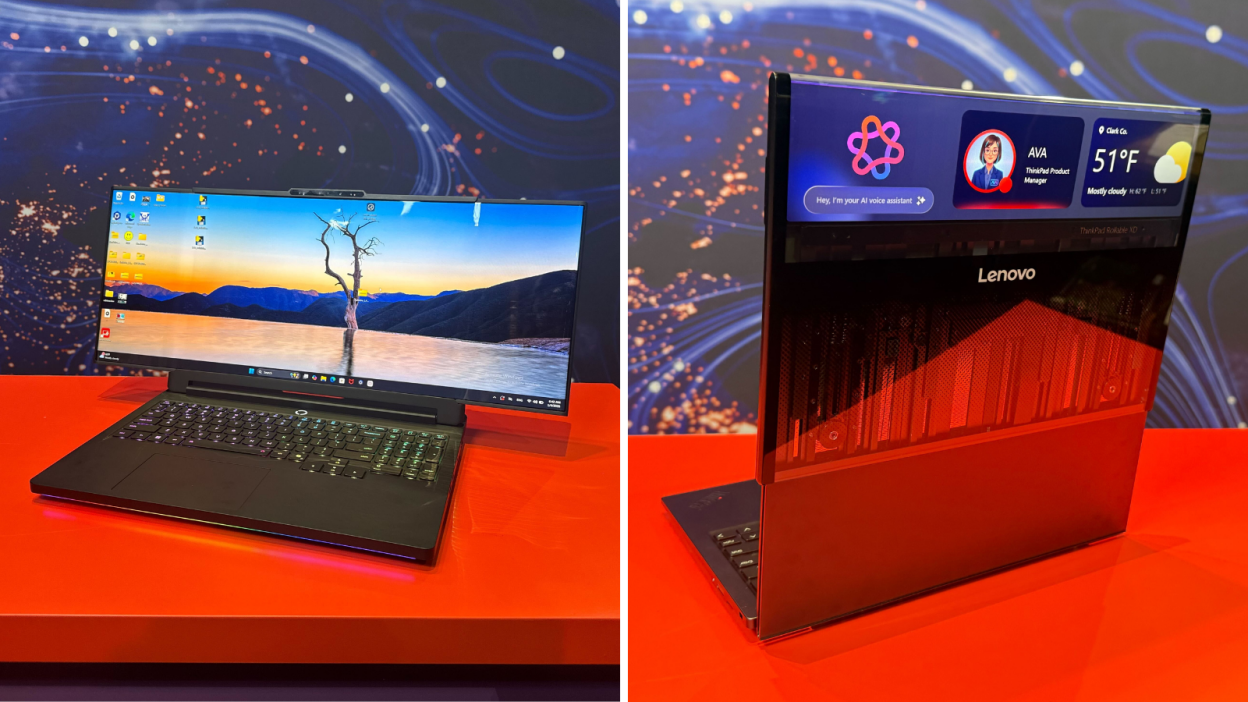
Laptop Design Trends: How Different Countries are Innovating in 2026 – The world of laptops is evolving faster than ever. In 2026, we are witnessing a fascinating mix of innovation, aesthetics, and performance coming together to redefine what laptops mean to users globally. Different countries are contributing in unique ways, blending culture, technology, and user needs into devices that are more than just machines—they’re expressions of lifestyle.
Sleek Minimalism from Japan
Japanese laptop designers continue to push the boundaries of minimalism. In 2026, brands from Japan are focusing on creating laptops that feel light, sleek, and almost invisible when carried. The emphasis is not only on aesthetics but also on ergonomics, making laptops more comfortable for long hours of work or gaming. The use of premium materials like magnesium alloys and carbon fiber is becoming common, offering durability without the weight.
Another trend emerging from Japan is the integration of flexible displays. Some laptops now feature screens that can slightly bend, providing a more immersive viewing experience without adding bulk. This design approach is particularly appealing to digital artists and professionals who need portability without sacrificing screen quality.
Germany’s Engineering Excellence
Germany has long been synonymous with precision engineering, and the laptop industry is no exception. In 2026, German designs are focusing on robust build quality combined with high-end cooling systems. These laptops are built to last, with attention to thermal efficiency, making them ideal for gamers and creative professionals who push their machines to the limit.
Innovation in keyboard design is another highlight. Many German brands are experimenting with haptic feedback keyboards, which provide satisfying tactile responses while maintaining a slim profile. Users benefit from a typing experience that feels natural, precise, and quiet.
South Korea: Bold Colors and Gaming Powerhouses
South Korean laptop brands are taking bold steps to redefine aesthetics in 2026. Bright, eye-catching colors and unique finishes are becoming mainstream, breaking away from the traditional silver and black palette. The focus is on combining style with performance, especially in gaming laptops.
With high refresh rate displays, ultra-responsive processors, and customizable RGB lighting, South Korea is setting the standard for gaming laptops. But beyond gaming, these designs also cater to creative users who want laptops that stand out visually while delivering professional-grade performance.
The United States: Hybrid and Smart Designs
In the United States, 2026 laptop trends emphasize hybrid designs and smart technology integration. Two-in-one laptops that switch between tablet and traditional laptop modes are now more seamless than ever. American brands are also integrating AI-powered features such as adaptive battery management, personalized display adjustments, and even predictive keyboard shortcuts.
Sustainability is another key focus. Many U.S. companies are now designing laptops with recycled aluminum and easily replaceable components. This approach appeals to environmentally conscious users who want high performance without contributing to electronic waste.
China: Affordability Meets Cutting-Edge Technology
China continues to be a powerhouse for affordable yet innovative laptop designs. In 2026, Chinese brands are blending high-spec features with budget-friendly pricing, making advanced laptops accessible to a wider audience. Slim profiles, edge-to-edge displays, and fast-charging batteries are standard features even in mid-range devices.
Another innovation from China is modular laptops, where users can easily upgrade components like RAM, storage, or even graphics cards. This flexible approach allows users to extend the life of their laptops, offering both cost savings and customization options.
India: Emerging Trends in Compact Laptops
India’s laptop market is growing rapidly, and designers are responding with compact, lightweight laptops that fit the needs of students and young professionals. In 2026, ultrabooks are gaining popularity, often featuring longer battery life, silent cooling systems, and stylish designs inspired by modern Indian aesthetics.
What sets Indian designs apart is the focus on connectivity. Many laptops now include features like dual SIM card support, high-speed 5G modules, and integrated cloud-based tools, catering to a generation that relies heavily on internet-based workflows.
Sustainability as a Global Trend
Across the globe, one consistent trend in 2026 is sustainability. Brands from every country are rethinking materials, energy efficiency, and repairability. Biodegradable components, recyclable metals, and energy-saving technologies are no longer niche features—they are becoming the standard. Users are increasingly aware of environmental impacts, and companies are responding with laptops that look and perform well while being more eco-friendly.
Conclusion: The Future of Laptop Design
Laptop design in 2026 is a reflection of both culture and technology. Japanese minimalism, German engineering, South Korean bold aesthetics, American hybrid innovation, Chinese affordability, and Indian compact designs show how different regions are shaping the future of personal computing. What ties them all together is the focus on user experience, performance, and sustainability.
As laptops continue to evolve, one thing is clear: innovation knows no borders. No matter where a device is designed, the goal is the same—to create machines that are powerful, stylish, and tailored to the way people live and work. Whether you’re a gamer, a student, or a professional, 2026 is shaping up to be an exciting year for laptop enthusiasts everywhere.
Old Laptop Trends That Once Dominated the Market
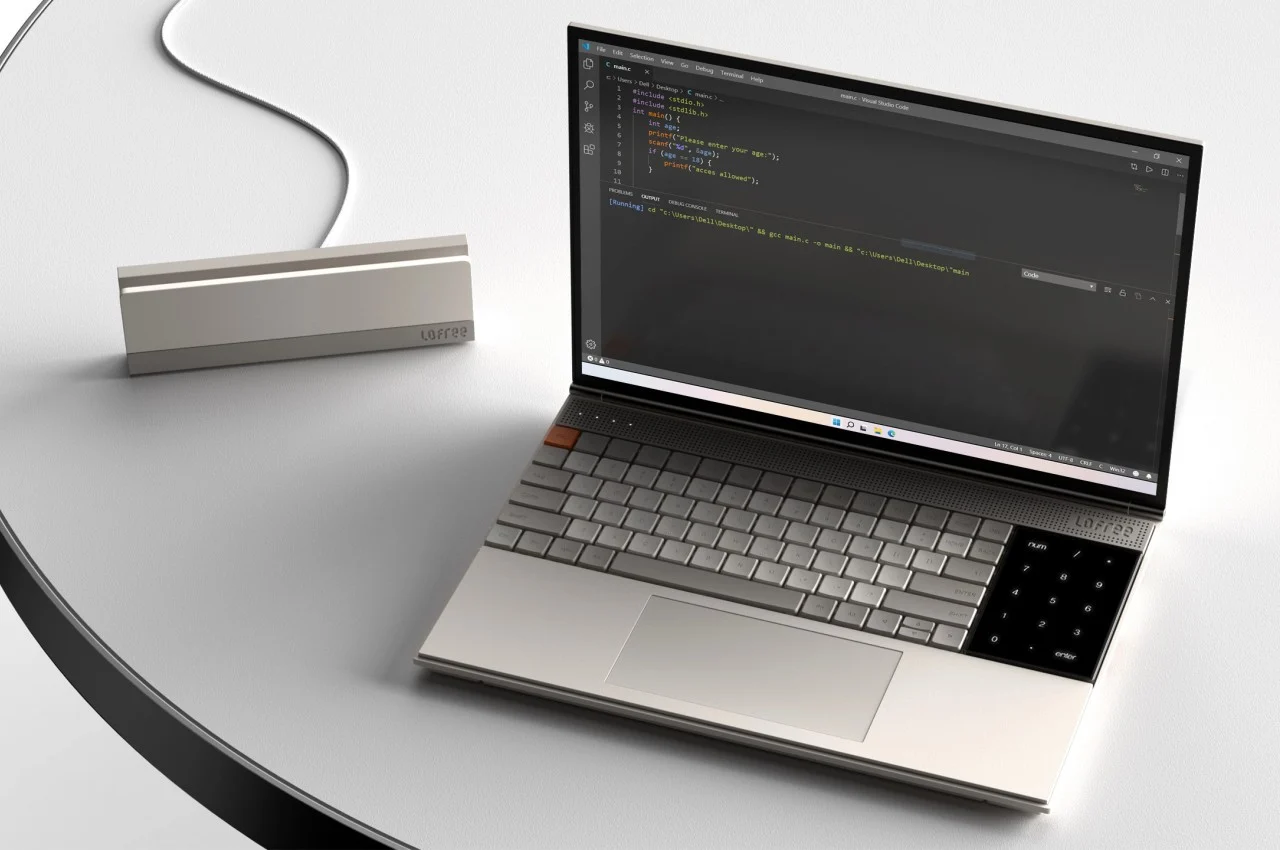
Old Laptop Trends That Once Dominated the Market – Before laptops became ultra-thin, fanless, and powered by all-day batteries, the market was full of bold ideas, strange designs, and trends that truly defined their era. Many of these old laptop trends once dominated store shelves, influenced buying decisions, and shaped how people worked, studied, and traveled. Some of them disappeared quietly, while others evolved into something more modern.
Looking back at these trends is not just about nostalgia. It also helps us understand how far laptop technology has come and why certain design choices exist today. Let’s take a closer look at the laptop trends that once ruled the market and why they eventually faded away.
The Era of Bulky and Heavy Laptops
In the early days, portability was more of a promise than a reality. Laptops were often thick, heavy, and far from convenient to carry around.
When Weight Didn’t Matter Much
During the late 1990s and early 2000s, it was normal for laptops to weigh over 3 kilograms. People accepted this because having a “portable computer” was already revolutionary. These machines were built like tanks, with thick plastic bodies and large internal components that needed plenty of space.
At the time, users prioritized performance and durability over slim design. Business users, in particular, valued laptops that could survive daily travel, even if it meant carrying extra weight.
Optical Drives as a Must-Have Feature
There was a time when a laptop without a CD or DVD drive felt incomplete. Optical drives were once a key selling point.
CDs and DVDs Ruled Everything
Installing software, watching movies, burning data, and listening to music all relied on CDs or DVDs. Laptop manufacturers competed by offering faster DVD writers and multi-format drives. Some models even promoted dual-layer DVD support as a premium feature.
As internet speeds improved and cloud storage became common, optical drives slowly lost their relevance. Today, they are almost completely gone, replaced by USB drives and online downloads.
Physical Media Buttons and Indicator Lights
Old laptops loved buttons, switches, and blinking lights. They weren’t just decorative; they were functional and often proudly displayed.
Dedicated Buttons for Everything
Volume controls, Wi-Fi switches, media playback buttons, and quick-launch keys were common on older laptops. Some models had entire rows of physical buttons above the keyboard. Indicator lights showed hard drive activity, battery status, charging, and wireless connections.
While modern laptops aim for clean and minimal designs, these old features gave users a sense of control and visibility that many still miss today.
The Rise of Netbooks and Mini Laptops
Netbooks were once everywhere. For a brief period, they dominated the budget laptop market and changed expectations.
Small, Cheap, and Everywhere
Netbooks focused on portability and affordability. With screens around 10 inches, low-power processors, and lightweight bodies, they were perfect for basic tasks like browsing and document editing. Students and casual users loved them.
However, limited performance and cramped keyboards eventually became deal-breakers. As tablets and affordable full-size laptops improved, netbooks faded into history.
Swappable Batteries and Modular Design
One trend that many users still wish would return is the removable battery.
Freedom to Swap and Replace
Older laptops often featured removable batteries that could be swapped in seconds. Power users carried spare batteries to extend usage throughout the day. If a battery degraded, replacing it was simple and inexpensive.
Modern laptops favor sealed designs for slimness and aesthetics. While this improves portability, it reduces repairability and flexibility, making removable batteries a fond memory for many long-time users.
Glossy Screens Everywhere
Glossy laptop displays were once marketed as a premium feature, even though they came with clear drawbacks.
Bright Colors with Heavy Reflections
Manufacturers promoted glossy screens for their vibrant colors and higher contrast. They looked great in showrooms and indoor environments. However, reflections made them difficult to use outdoors or under strong lighting.
Eventually, matte displays made a comeback, especially for business and professional users who valued practicality over visual flair.
Oversized Branding and Flashy Designs
Old laptops were not shy about showing off logos and decorative elements.
More Logos, More Style
Large brand logos, chrome accents, textured lids, and colorful finishes were common. Some laptops featured bold designs aimed at gamers or younger audiences, while others focused on a “futuristic” look.
Today’s trend leans toward subtle branding and minimalist design. Still, those older flashy laptops had a unique personality that set them apart.
Mechanical Hard Drives as Standard Storage
Before SSDs became affordable, mechanical hard drives were the default choice.
Capacity Over Speed
Hard drives offered large storage capacities at reasonable prices, making them ideal for storing movies, music, and documents. Speed was secondary, and boot times were often painfully slow by today’s standards.
The shift to SSDs dramatically improved laptop performance, making older HDD-based laptops feel outdated almost overnight.
Why These Trends Disappeared
Technology evolves quickly, and user expectations change just as fast. Many old laptop trends disappeared because they no longer aligned with modern needs.
Efficiency, Mobility, and Simplicity
Today’s users prioritize fast performance, long battery life, lightweight design, and silent operation. Features like optical drives, bulky bodies, and excessive buttons no longer fit this vision.
Advances in cloud computing, wireless connectivity, and component miniaturization made it possible to remove many once-essential features without sacrificing usability.
Lessons from Old Laptop Trends
Looking back at these trends reveals an important lesson: innovation is often experimental. Not every feature stands the test of time, but each trend contributes to future improvements.
Some ideas, like modular components and physical controls, are even making a quiet comeback in new forms. Others remain part of laptop history, remembered fondly by users who experienced them firsthand.
Old laptop trends may be gone, but their influence is still present in the devices we use today. They remind us that technology is always evolving, shaped by both practicality and the habits of its users.
Laptop Trends 2026: Top Viral Picks & Performance Insights
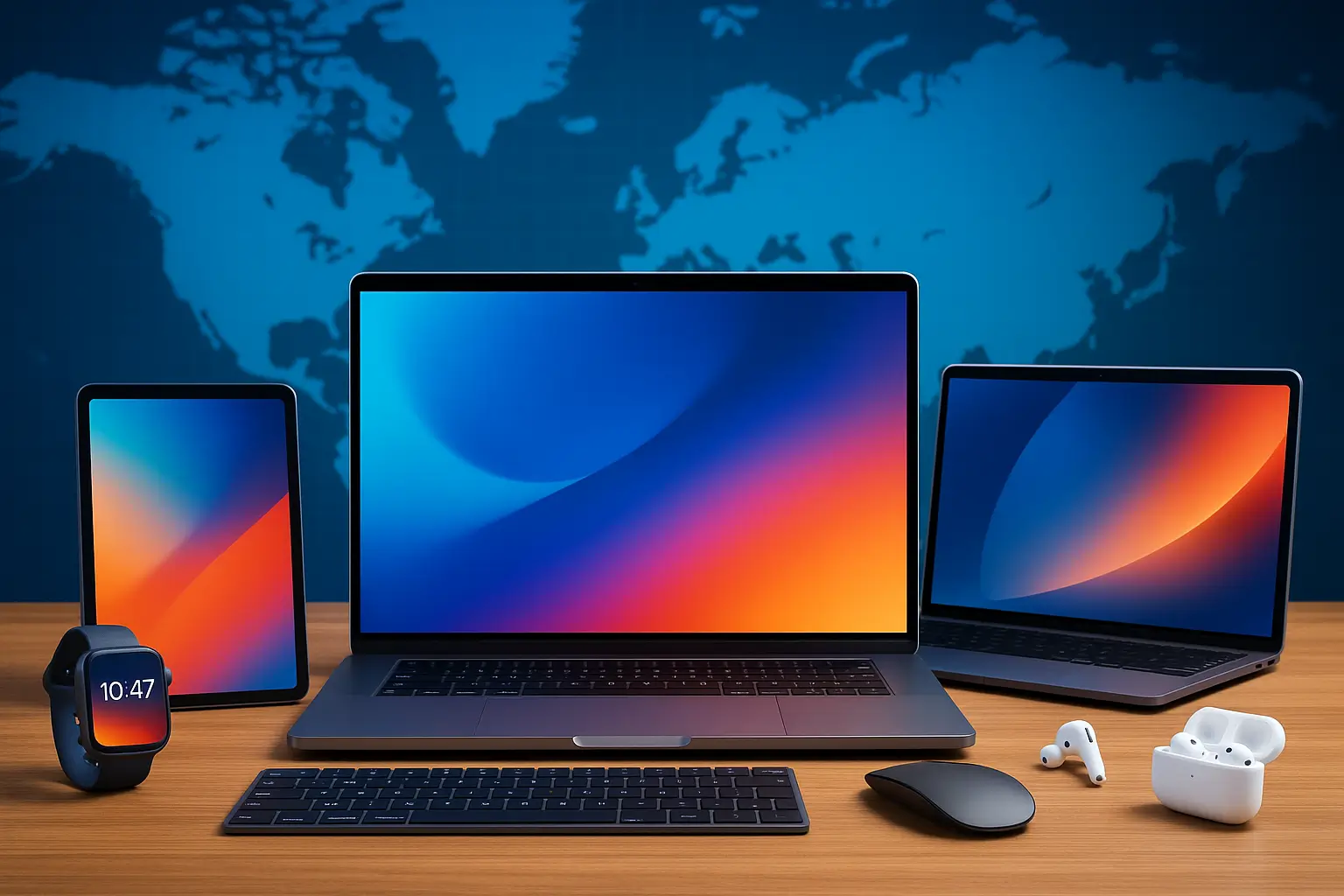
Laptop Trends 2026: Top Viral Picks & Performance Insights – The laptop market in 2026 is moving faster than ever. What used to be a simple choice between performance and portability has now turned into a complex ecosystem of AI-powered machines, ultra-efficient chips, and designs shaped by social media trends. Laptops are no longer just tools for work or study. They have become personal hubs for creativity, productivity, and entertainment.
This year, viral laptop models are not only defined by raw specs, but also by how well they adapt to modern lifestyles. From creators and remote workers to gamers and students, laptop brands are racing to deliver smarter, lighter, and longer-lasting devices that feel truly future-ready.
How Laptop Trends Are Shaping 2026
One of the biggest changes in 2026 is how performance is measured. Instead of focusing purely on CPU speed or RAM size, users now care about efficiency, AI integration, and real-world usability. Battery life, thermal management, and smart software optimization are just as important as benchmark scores.
Another major trend is the rise of AI-native laptops. These machines are designed to handle on-device AI tasks such as real-time video enhancement, voice processing, content generation, and advanced multitasking without relying heavily on cloud services. This shift has a direct impact on privacy, speed, and overall user experience.
Design trends are also evolving. Thin bezels, lighter materials, and minimalist aesthetics dominate viral laptop picks on social platforms. People want devices that look premium, feel comfortable to carry, and still deliver serious performance.
Top Viral Laptop Picks Dominating 2026
AI-Powered Ultrabooks Take the Spotlight
Ultrabooks in 2026 are smarter than ever. The most viral models this year combine lightweight designs with dedicated AI engines built directly into their processors. These laptops appeal strongly to professionals, digital nomads, and students who want all-day battery life without sacrificing speed.
What makes these ultrabooks go viral is their ability to adapt. They can optimize performance based on usage patterns, reduce power consumption during light tasks, and instantly boost power when heavy workloads appear. For SEO-driven content, these models often trend under keywords like “best AI laptop 2026” and “lightweight performance laptop.”
Creator Laptops Built for Content and Speed
Content creation continues to influence laptop trends heavily in 2026. Viral creator laptops focus on color accuracy, fast rendering, and smooth multitasking. High-refresh-rate OLED displays are becoming standard in this category, making them popular among video editors, designers, and photographers.
Performance insights show that modern creator laptops rely not only on GPUs but also on AI-assisted workflows. Tasks like background removal, video upscaling, and real-time effects are faster and more efficient than in previous generations. This balance between creative power and portability makes them highly shareable and widely discussed online.
Gaming Laptops Go Slim and Smarter
Gaming laptops are no longer bulky machines that scream “gamer.” In 2026, viral gaming laptops are thinner, quieter, and far more power-efficient. Advanced cooling systems and AI-controlled fan curves allow high-end performance without excessive noise or heat.
What stands out is how these laptops adapt to different usage modes. A single machine can smoothly switch from intense gaming sessions to casual work or streaming, making it more versatile than ever. This versatility plays a big role in why gaming laptops are trending beyond the traditional gamer audience.
Performance Insights That Matter in 2026
Real-World Performance Over Benchmarks
Synthetic benchmarks are losing their influence in 2026. Users are paying more attention to real-world performance metrics such as app launch speed, multitasking fluidity, and battery drain during daily use. Laptops that feel fast and responsive in everyday scenarios tend to gain more organic attention online.
AI-based performance optimization plays a major role here. Laptops can now predict user behavior and allocate resources dynamically, resulting in smoother experiences even on mid-range hardware.
Battery Life Becomes a Key Selling Point
Battery performance is one of the strongest SEO angles in laptop content for 2026. Viral laptops often advertise 15 to 20 hours of real usage, not just lab-tested numbers. This improvement comes from efficient processors, better display technology, and smarter power management software.
For users who work remotely or travel frequently, long battery life is no longer a luxury but a necessity. Laptops that consistently deliver reliable battery performance tend to dominate recommendation lists and social discussions.
Thermal Efficiency and Silent Performance
Heat management has quietly become a defining factor in laptop popularity. Users are more aware of fan noise and surface temperatures, especially during long work sessions. The top viral laptops of 2026 are praised for staying cool and quiet even under pressure.
Advanced materials, vapor chamber cooling, and AI-driven thermal control systems are now standard in premium models. These features improve comfort and extend hardware lifespan, adding long-term value that users appreciate.
Why These Laptop Trends Matter for Buyers
Laptop trends in 2026 reflect a shift toward smarter, more personal devices. Instead of chasing the highest specs, buyers are choosing laptops that fit their workflow, habits, and lifestyle. This makes the market more diverse and competitive than ever before.
For anyone researching laptops this year, understanding these trends helps avoid overpaying for unnecessary power or missing out on features that genuinely improve daily use. Viral picks are often popular for a reason, but performance insights reveal whether a laptop truly delivers beyond the hype.
Final Thoughts on Laptop Trends 2026
The laptop landscape in 2026 is defined by intelligence, efficiency, and adaptability. AI-powered features, strong real-world performance, and thoughtful design choices are shaping which models go viral and which fade away. Whether for work, creativity, or gaming, modern laptops are designed to blend seamlessly into everyday life.
As technology continues to evolve, the gap between average and exceptional laptops is no longer about raw power alone. It’s about how well a device understands its user and delivers performance when it matters most. That is the true direction of laptop trends in 2026, and it’s only getting more exciting from here.

Laptop Reviews When Specs Lie and Systems Slowly Fail
Laptop Reviews When Specs Lie and Systems Slowly Fail – When shopping for a new laptop, it’s easy to get dazzled by specifications. High numbers on a spec sheet—faster processors, more RAM, larger storage—often make a device seem like the perfect choice. But in real life, specs can be deceiving. A laptop may promise lightning-fast performance on paper yet struggle with everyday tasks. Marketing highlights often hide small design flaws or system limitations that only become apparent after weeks or months of use.
For many buyers, the gap between expectations and reality causes frustration. A machine that initially seems perfect might experience slowdowns, unexpected crashes, or overheating. Laptop reviews that dig deeper than the spec sheet are essential for understanding how a device truly performs in daily life.
The Slow Decline: Why Systems Fail Over Time
Software and Operating System Issues
One of the main reasons laptops fail to maintain performance is software degradation. Over time, the operating system accumulates updates, temporary files, and background processes. Even with a powerful processor, a cluttered or poorly optimized OS can cause noticeable slowdowns. Reviews that focus on long-term performance often highlight this slow decline, which spec sheets never warn you about.
Drivers and firmware updates can also create unexpected conflicts. A laptop might run flawlessly out of the box, but after several updates, subtle glitches appear. Slow boot times, random application crashes, and reduced responsiveness are common examples of issues that only detailed reviews uncover.
Hardware Aging and Thermal Stress
Another factor in performance degradation is hardware aging. Heat is one of the biggest enemies of a laptop’s longevity. Even well-cooled systems eventually experience thermal stress, which reduces CPU and GPU efficiency over time. Some laptops throttle performance aggressively to prevent overheating, leading to a noticeable drop in speed for demanding tasks.
Hard drives, especially traditional HDDs, can become slower or fail completely, while SSDs may lose some write speed after heavy usage. Battery capacity also declines gradually, which shortens unplugged usage and diminishes the portability advantage that originally sold the laptop.
How Reviews Help Identify Hidden Problems
Beyond Benchmark Numbers
Laptop reviews that dig deeper than benchmarks reveal what specs alone cannot. While benchmark tests show peak performance under controlled conditions, real-life tasks—editing documents, multitasking with multiple browser tabs, video streaming, or running creative software—stress laptops in ways that benchmarks cannot capture.
Reviews that include long-term observations show how systems behave under repeated workloads, revealing problems such as fan noise spikes, thermal throttling, or sluggish response when multiple applications run simultaneously. These insights are invaluable for buyers who want a laptop that remains reliable over years rather than weeks.
Practical Testing Scenarios
Good laptop reviews include real-world usage simulations. Testers often replicate daily activities, from office work and online meetings to gaming or content creation. They evaluate not only speed but also comfort, ergonomics, and reliability. This approach uncovers issues like uneven keyboard layouts, touchpad glitches, or screen flickering—subtle flaws that can affect daily productivity but rarely appear in marketing materials.
The Role of User Experience in Reviews
Battery Life in Real Conditions
Battery performance is another area where specs can mislead. Manufacturers often list idealized battery life based on minimal activity, such as web browsing at low brightness. Reviews that test battery under realistic conditions—video calls, multitasking, and higher screen brightness—provide a more accurate picture of true portability.
Some laptops advertise all-day battery life, but in reality, heavy users find themselves reaching for a charger mid-afternoon. Long-term testing also reveals battery health degradation over months, giving potential buyers a sense of how the laptop performs throughout its lifecycle.
Software Ecosystem and Preinstalled Programs
Preinstalled software can significantly affect daily performance. Laptops often come with unnecessary applications or trial programs that consume system resources. Reviews highlighting these issues help buyers understand whether a device is ready for productivity out of the box or if it requires cleanup to achieve optimal performance.
Why Critical Laptop Reviews Are Essential
Laptops are significant investments, and the last thing buyers want is disappointment. Critical reviews help separate marketing hype from real-world functionality. They shed light on how laptops perform over time, how comfortable they are for extended use, and whether they truly deliver the speed and reliability promised on the spec sheet.
By examining both short-term performance and long-term stability, reviews protect buyers from costly mistakes. They also provide insights for professionals and students who rely on dependable machines for work and study, as well as casual users seeking smooth daily experiences.
Final Thoughts: Reading Between the Specs
Specs alone rarely tell the full story. Laptops that shine in advertisements may stumble under practical usage, and systems that start strong can gradually decline if thermal management or software optimization is poor. Thorough reviews that combine hardware testing, software evaluation, and real-world daily use reveal the hidden truth behind the numbers.
For buyers, the lesson is simple: look beyond the spec sheet. Seek out reviews that test laptops in realistic scenarios and evaluate long-term performance. This way, you not only choose a device that performs well today but also one that remains reliable and efficient throughout its life. After all, a laptop is more than numbers—it’s an everyday tool that should keep up with your life, not slow down over time.